

Total de resultats de la cerca: 9156
Resultats de la cerca
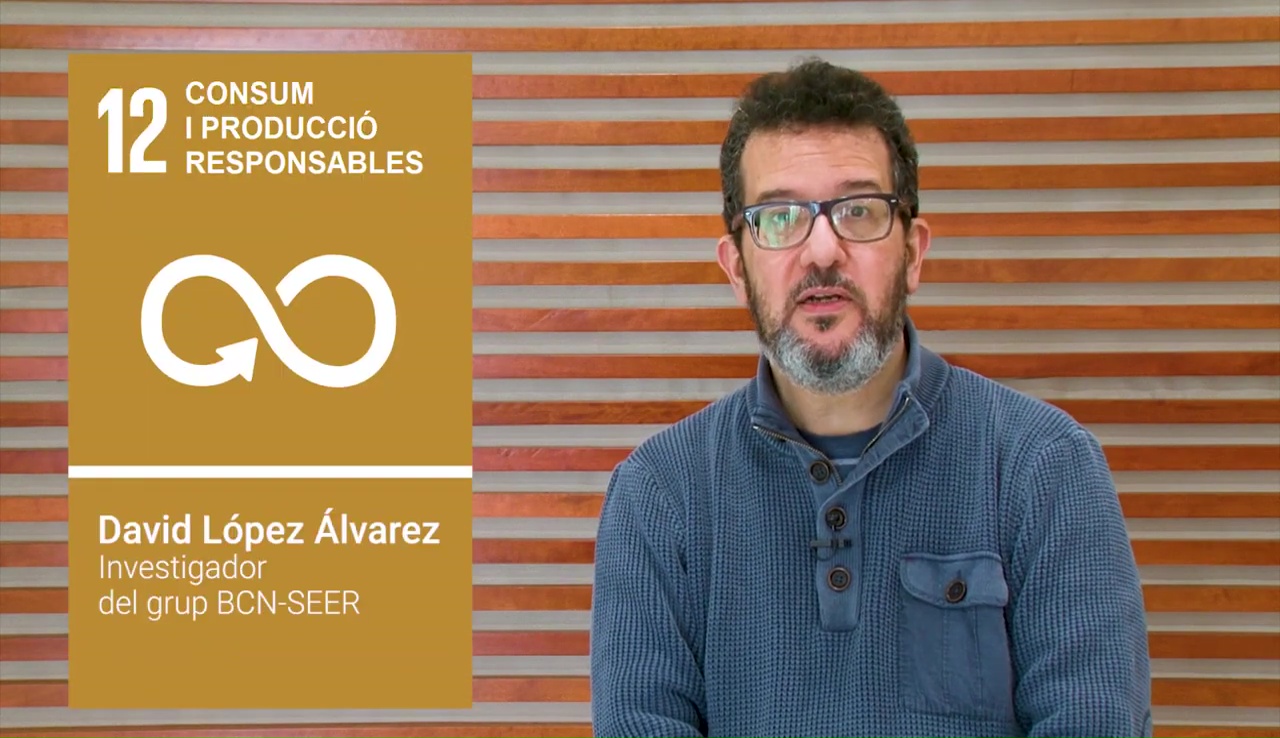
Accions UPC per a l'ODS 12: Consum i producció responsables, amb David López
Accés obert
14 de juny 2021
David López, investigador del grup de recerca Barcelona Science and Engineering Education Research Group (BCN SEER) de la UPC, parla de les accions de la Universitat per assolir l'Objectiu de Desenvolupament Sostenible 12, Consum i producció responsables.
Accions UPC per als ODS és una campanya audiovisual a les xarxes socials que mostra alguns dels projectes que es desenvolupen a la UPC per donar resposta als Objectius de Desenvolupament Sostenible (ODS) de les Nacions Unides.
Accions UPC per als ODS és una campanya audiovisual a les xarxes socials que mostra alguns dels projectes que es desenvolupen a la UPC per donar resposta als Objectius de Desenvolupament Sostenible (ODS) de les Nacions Unides.
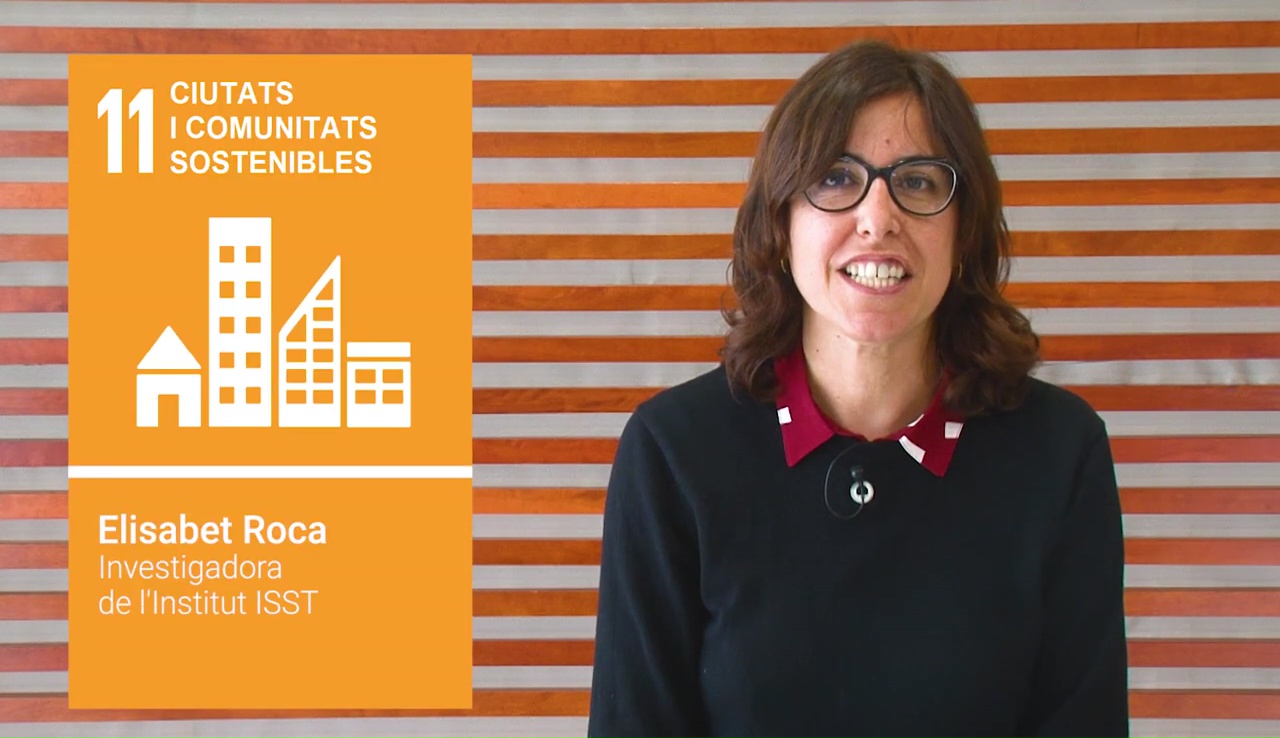
Accions UPC per a l'ODS 11: Ciutats i comunitats sostenibles, amb Elisabet Roca
Accés obert
14 de juny 2021
Elisabet Roca, investigadora de l'Institut Universitari de Recerca en Ciència i Tecnologies de la Sostenibilitat de la UPC, parla de les accions de la Universitat per assolir l'Objectiu de Desenvolupament Sostenible 11, Ciutats i comunitats sostenibles.
Accions UPC per als ODS és una campanya audiovisual a les xarxes socials que mostra alguns dels projectes que es desenvolupen a la UPC per donar resposta als Objectius de Desenvolupament Sostenible (ODS) de les Nacions Unides.
Accions UPC per als ODS és una campanya audiovisual a les xarxes socials que mostra alguns dels projectes que es desenvolupen a la UPC per donar resposta als Objectius de Desenvolupament Sostenible (ODS) de les Nacions Unides.
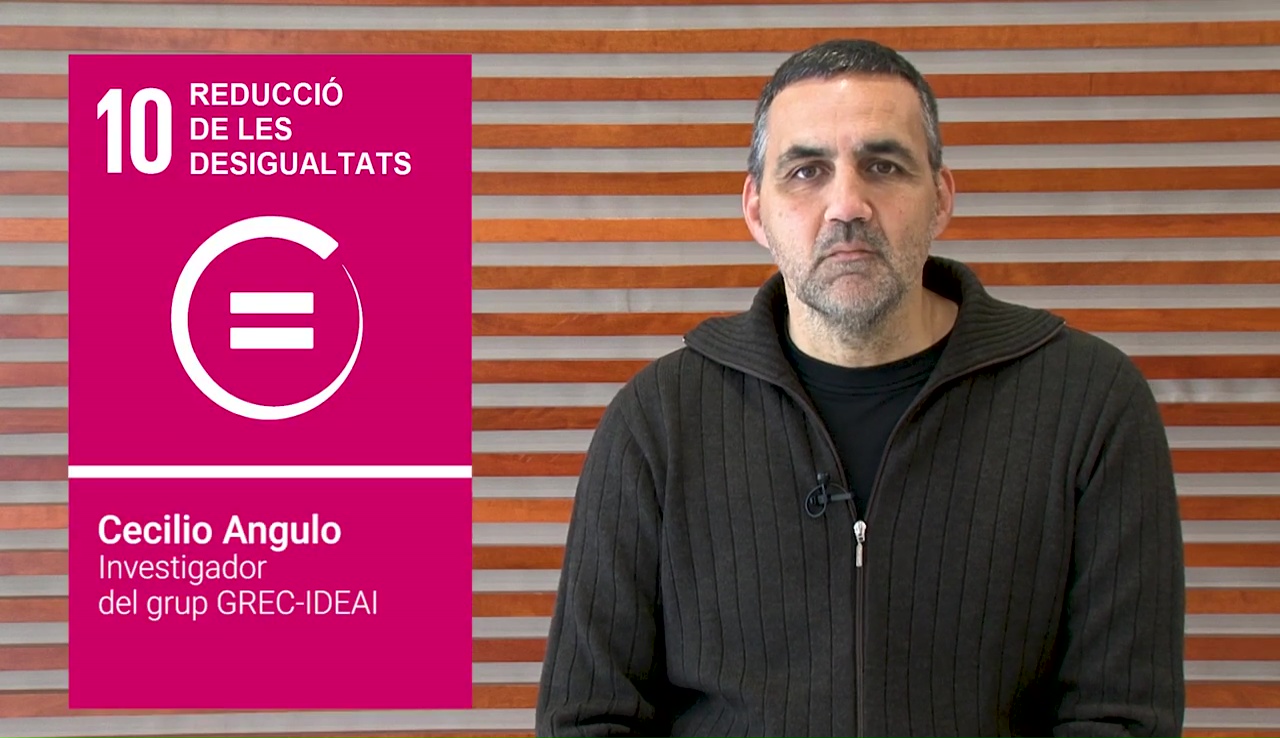
Accions UPC per a l'ODS 10: Reducció de les desigualtats, amb Cecilio Angulo
Accés obert
14 de juny 2021
Cecilio Angulo, investigador del Grup de Recerca en Enginyeria del Coneixement (GREC) i de l'Intelligent Data Science and Artificial Intelligence Research Center (IDEAI) de la UPC, parla de les accions de la Universitat per assolir l'Objectiu de Desenvolupament Sostenible 10, Reducció de les desigualtats.
Accions UPC per als ODS és una campanya audiovisual a les xarxes socials que mostra alguns dels projectes que es desenvolupen a la UPC per donar resposta als Objectius de Desenvolupament Sostenible (ODS) de les Nacions Unides.
Accions UPC per als ODS és una campanya audiovisual a les xarxes socials que mostra alguns dels projectes que es desenvolupen a la UPC per donar resposta als Objectius de Desenvolupament Sostenible (ODS) de les Nacions Unides.
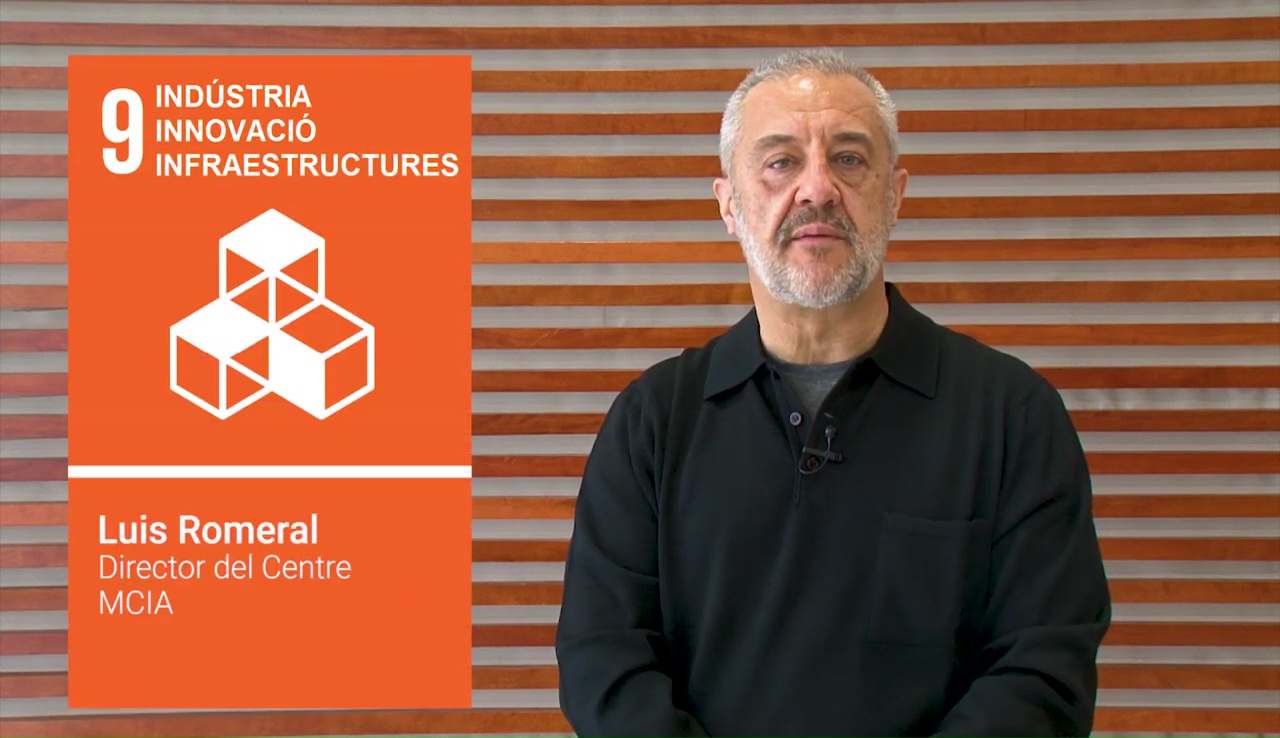
Accions UPC per a l'ODS 9: Indústria, innovació i infraestructures, amb Luis Romeral
Accés obert
14 de juny 2021
Luis Romeral, investigador del grup de recerca Motion Control and Industrial Applications Research Group (MCIA) de la UPC, parla de les accions de la Universitat per assolir l'Objectiu de Desenvolupament Sostenible 9, Indústria, innovació i infraestructures.
Accions UPC per als ODS és una campanya audiovisual a les xarxes socials que mostra alguns dels projectes que es desenvolupen a la UPC per donar resposta als Objectius de Desenvolupament Sostenible (ODS) de les Nacions Unides.
Accions UPC per als ODS és una campanya audiovisual a les xarxes socials que mostra alguns dels projectes que es desenvolupen a la UPC per donar resposta als Objectius de Desenvolupament Sostenible (ODS) de les Nacions Unides.
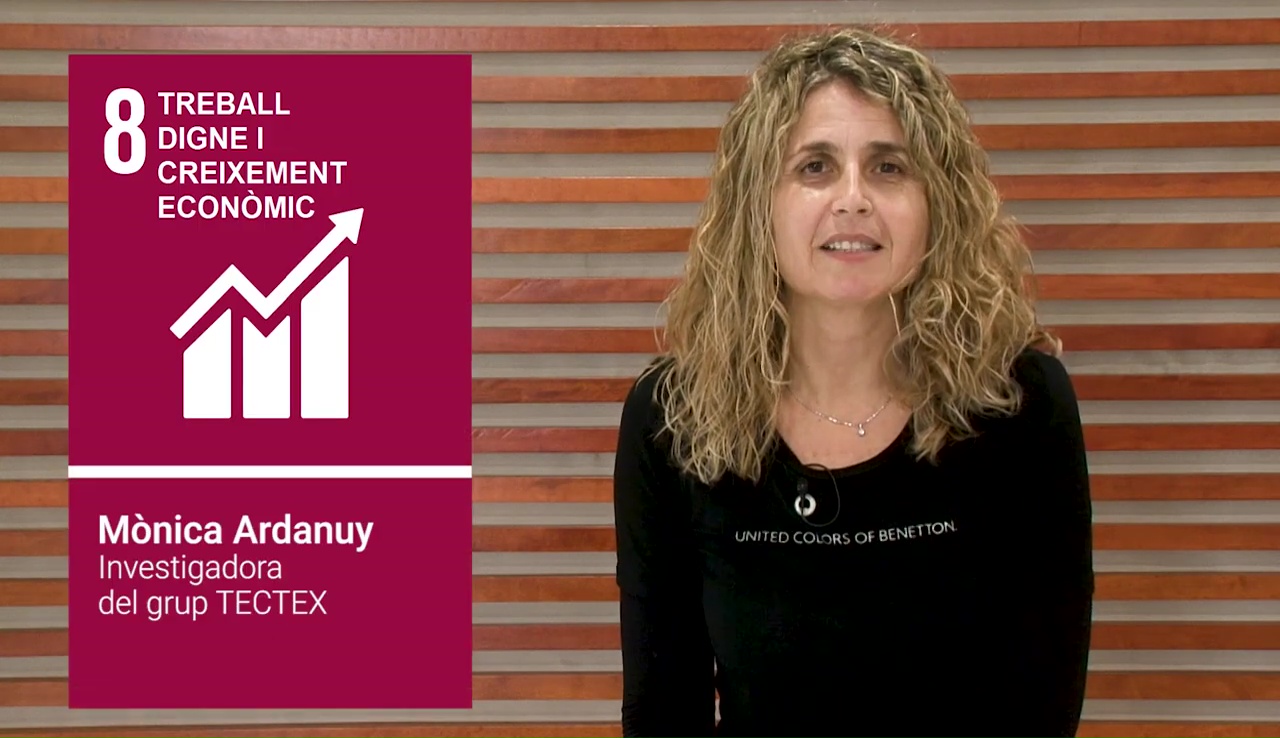
Accions UPC per a l'ODS 8: Treball decent i creixement econòmic, amb Mònica Ardanuy
Accés obert
14 de juny 2021
Mònica Ardanuy, investigadora del Grup de Recerca en Tecnologia Tèxtil (TECTEX) de la UPC, parla de les accions de la Universitat per assolir l'Objectiu de Desenvolupament Sostenible 8, Treball decent i creixement econòmic.
Accions UPC per als ODS és una campanya audiovisual a les xarxes socials que mostra alguns dels projectes que es desenvolupen a la UPC per donar resposta als Objectius de Desenvolupament Sostenible (ODS) de les Nacions Unides.
Accions UPC per als ODS és una campanya audiovisual a les xarxes socials que mostra alguns dels projectes que es desenvolupen a la UPC per donar resposta als Objectius de Desenvolupament Sostenible (ODS) de les Nacions Unides.
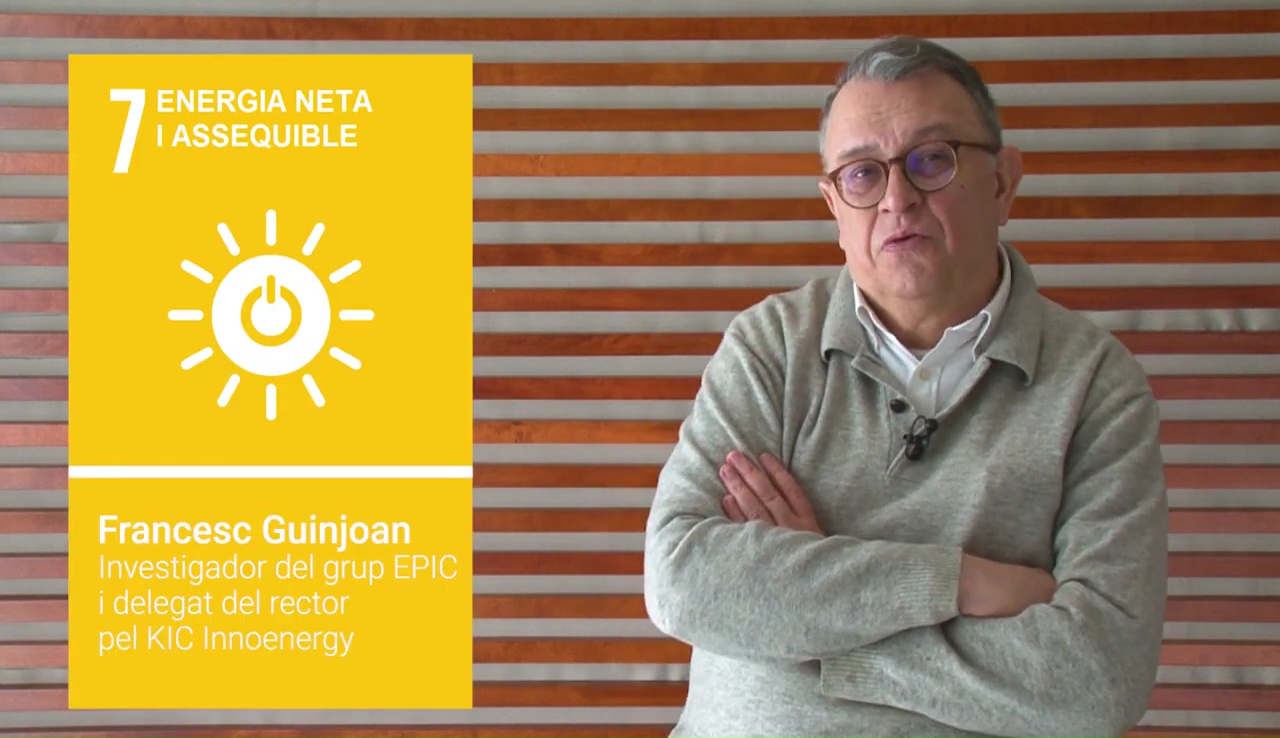
Accions UPC per a l'ODS 7: Energia neta i assequible, amb Francesc Guinjoan
Accés obert
14 de juny 2021
Francesc Guinjoan, investigador del grup de recerca Energy Processing and Integrated Circuits (EPIC) de la UPC, parla de les accions de la Universitat per assolir l'Objectiu de Desenvolupament Sostenible 7, Energia neta i assequible.
Accions UPC per als ODS és una campanya audiovisual a les xarxes socials que mostra alguns dels projectes que es desenvolupen a la UPC per donar resposta als Objectius de Desenvolupament Sostenible (ODS) de les Nacions Unides.
Accions UPC per als ODS és una campanya audiovisual a les xarxes socials que mostra alguns dels projectes que es desenvolupen a la UPC per donar resposta als Objectius de Desenvolupament Sostenible (ODS) de les Nacions Unides.
Accions UPC per a l'ODS 6: Aigua neta i sanejament, amb Anna Garfí
Accés obert
14 de juny 2021
Anna Garfí, investigadora del grup de recerca Group of Environmental Engineering and Microbiology (GEMMA) de la UPC, parla de les accions de la Universitat per assolir l'Objectiu de Desenvolupament Sostenible 6, Aigua neta i sanejament.
Accions UPC per als ODS és una campanya audiovisual a les xarxes socials que mostra alguns dels projectes que es desenvolupen a la UPC per donar resposta als Objectius de Desenvolupament Sostenible (ODS) de les Nacions Unides.
Accions UPC per als ODS és una campanya audiovisual a les xarxes socials que mostra alguns dels projectes que es desenvolupen a la UPC per donar resposta als Objectius de Desenvolupament Sostenible (ODS) de les Nacions Unides.
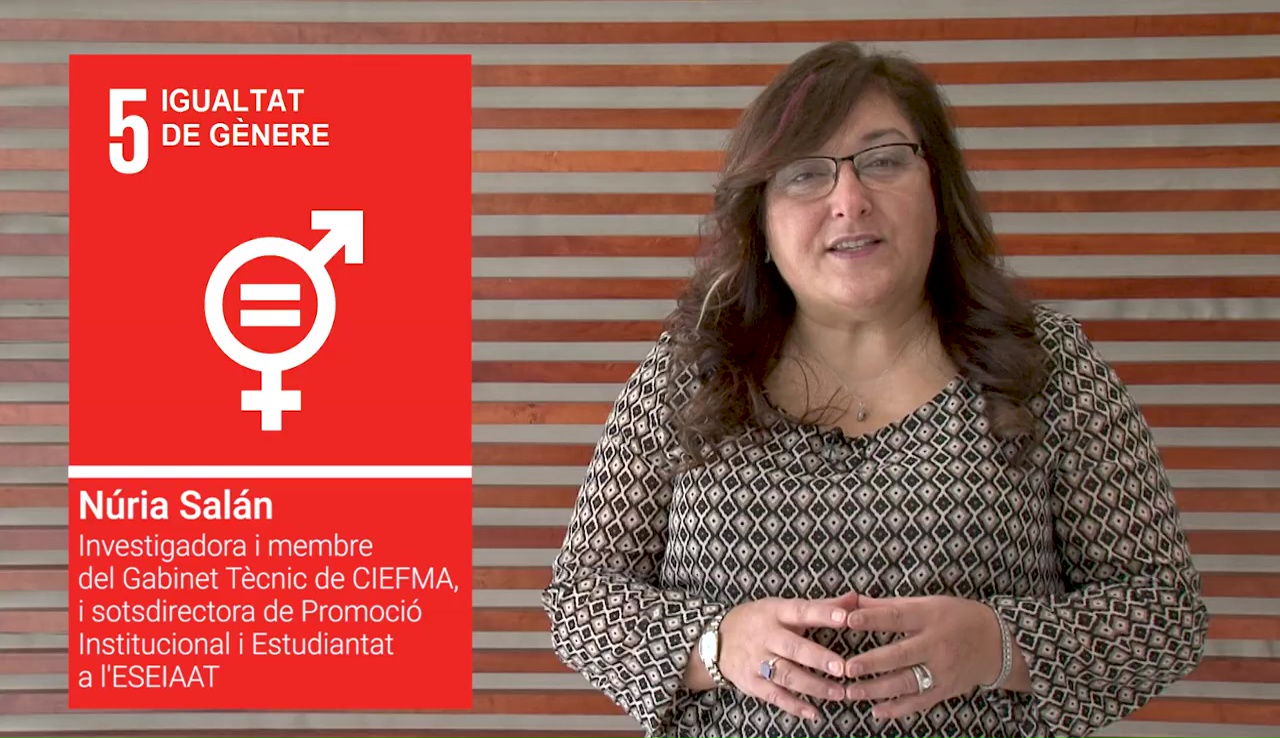
Accions UPC per a l'ODS 5: Igualtat de gènere, amb Núria Salán
Accés obert
14 de juny 2021
Núria Salán, investigadora del grup de recerca Centre d'Integritat Estructural, Micromecànica i Fiabilitat dels Materials (CIEFMA) de la UPC, parla de les accions de la Universitat per assolir l'Objectiu de Desenvolupament Sostenible 5, Igualtat de gènere.
Accions UPC per als ODS és una campanya audiovisual a les xarxes socials que mostra alguns dels projectes que es desenvolupen a la UPC per donar resposta als Objectius de Desenvolupament Sostenible (ODS) de les Nacions Unides.
Accions UPC per als ODS és una campanya audiovisual a les xarxes socials que mostra alguns dels projectes que es desenvolupen a la UPC per donar resposta als Objectius de Desenvolupament Sostenible (ODS) de les Nacions Unides.
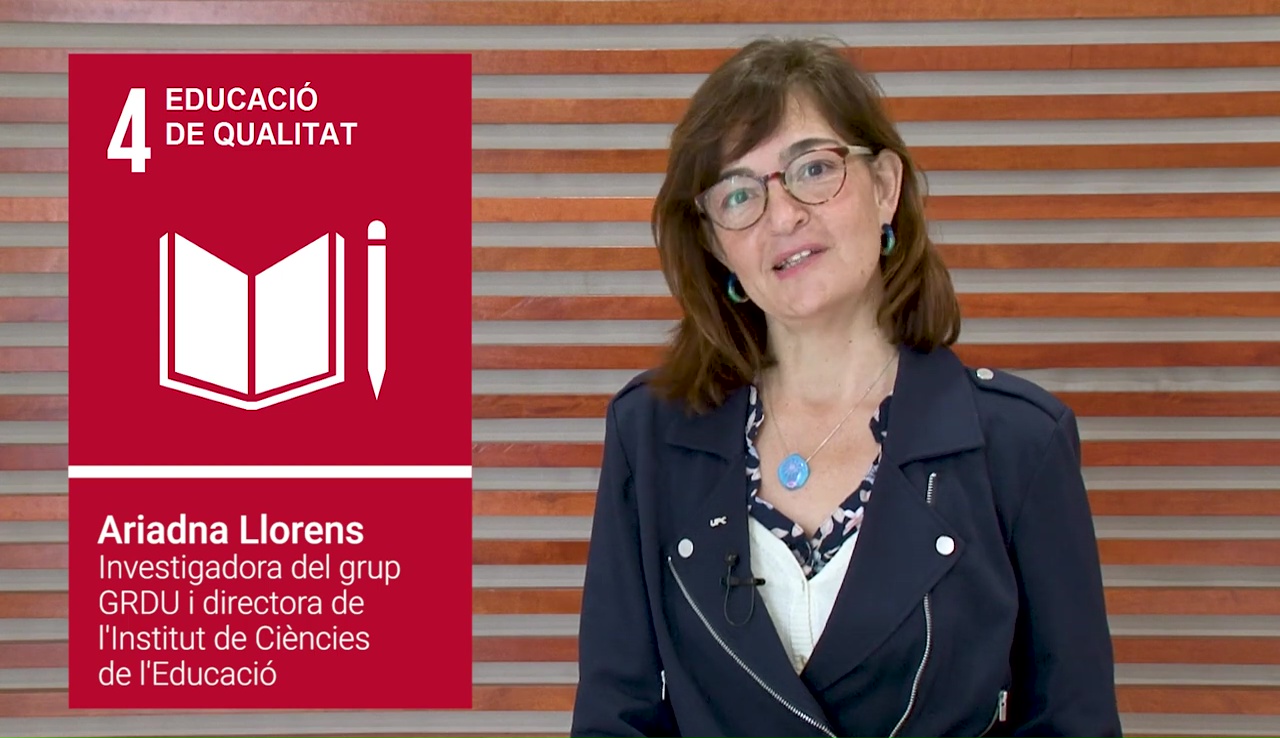
Accions UPC per a l'ODS 4: Educació de qualitat, amb Ariadna Llorens
Accés obert
14 de juny 2021
Ariadna Llorens, directora de l'Institut de Ciències de l'Educació i investigadora del grup de recerca en Direcció Universitària (GRDU) de la UPC, parla de les accions de la Universitat per assolir l'Objectiu de Desenvolupament Sostenible 4, Educació de qualitat. Accions UPC per als ODS és una campanya audiovisual a les xarxes socials que mostra alguns dels projectes que es desenvolupen a la UPC per donar resposta als Objectius de Desenvolupament Sostenible (ODS) de les Nacions Unides.
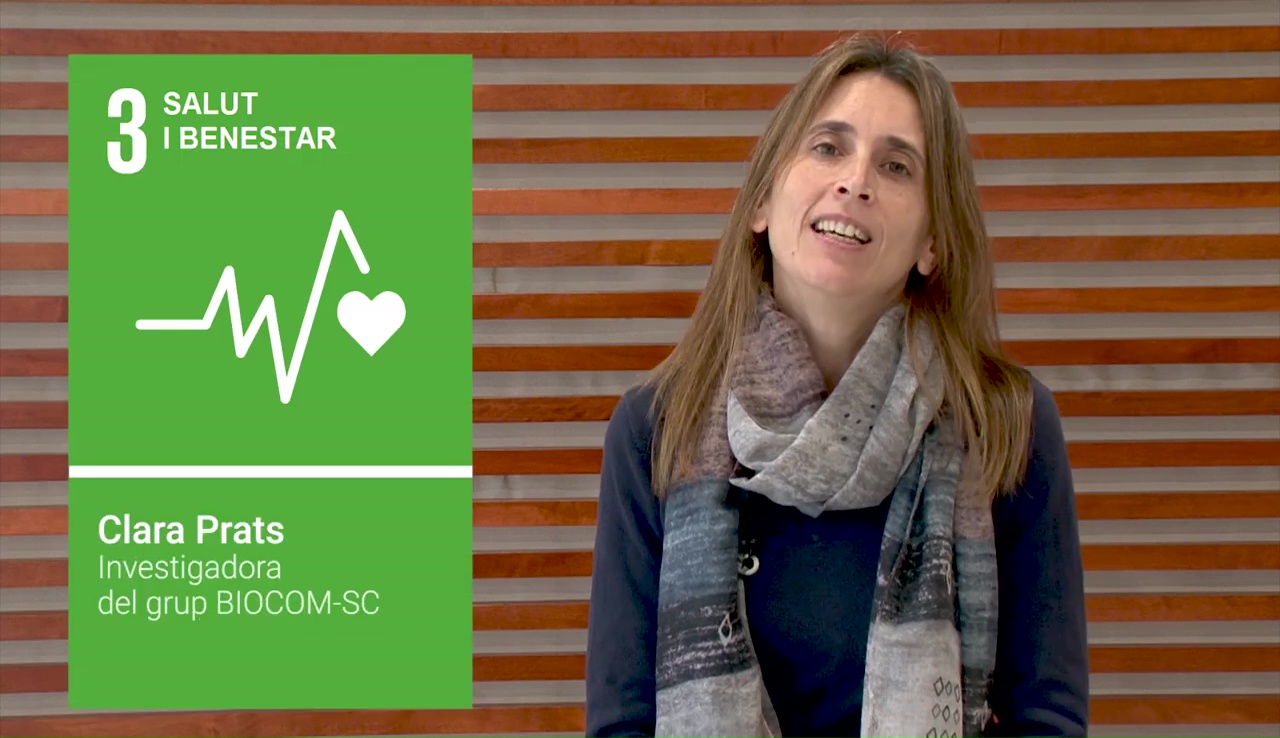
Accions UPC per a l'ODS 3: Salut i benestar, amb Clara Prats
Accés obert
14 de juny 2021
Clara Prats, investigadora del Grup de Biologia Computacional i Sistemes Complexos (BIOCOM-SC) de la UPC, parla de les accions de la Universitat per assolir l'Objectiu de Desenvolupament Sostenible 3, Salut i benestar.
Accions UPC per als ODS és una campanya audiovisual a les xarxes socials que mostra alguns dels projectes que es desenvolupen a la UPC per donar resposta als Objectius de Desenvolupament Sostenible (ODS) de les Nacions Unides.
Accions UPC per als ODS és una campanya audiovisual a les xarxes socials que mostra alguns dels projectes que es desenvolupen a la UPC per donar resposta als Objectius de Desenvolupament Sostenible (ODS) de les Nacions Unides.

Accions UPC per a l'ODS 2: Fam zero, amb Anna Gras
Accés obert
14 de juny 2021
Anna Gras, directora de l'Escola d'Enginyeria Agroalimentària i de Biosistemes de Barcelona (EEABB) i investigadora de la Unitat de Mecanització Agrària (UMA) de la UPC, parla de les accions de la Universitat per assolir l'Objectiu de Desenvolupament Sostenible 2, Fam zero.
Accions UPC per als ODS és una campanya audiovisual a les xarxes socials que mostra alguns dels projectes que es desenvolupen a la UPC per donar resposta als Objectius de Desenvolupament Sostenible (ODS) de les Nacions Unides.
Accions UPC per als ODS és una campanya audiovisual a les xarxes socials que mostra alguns dels projectes que es desenvolupen a la UPC per donar resposta als Objectius de Desenvolupament Sostenible (ODS) de les Nacions Unides.
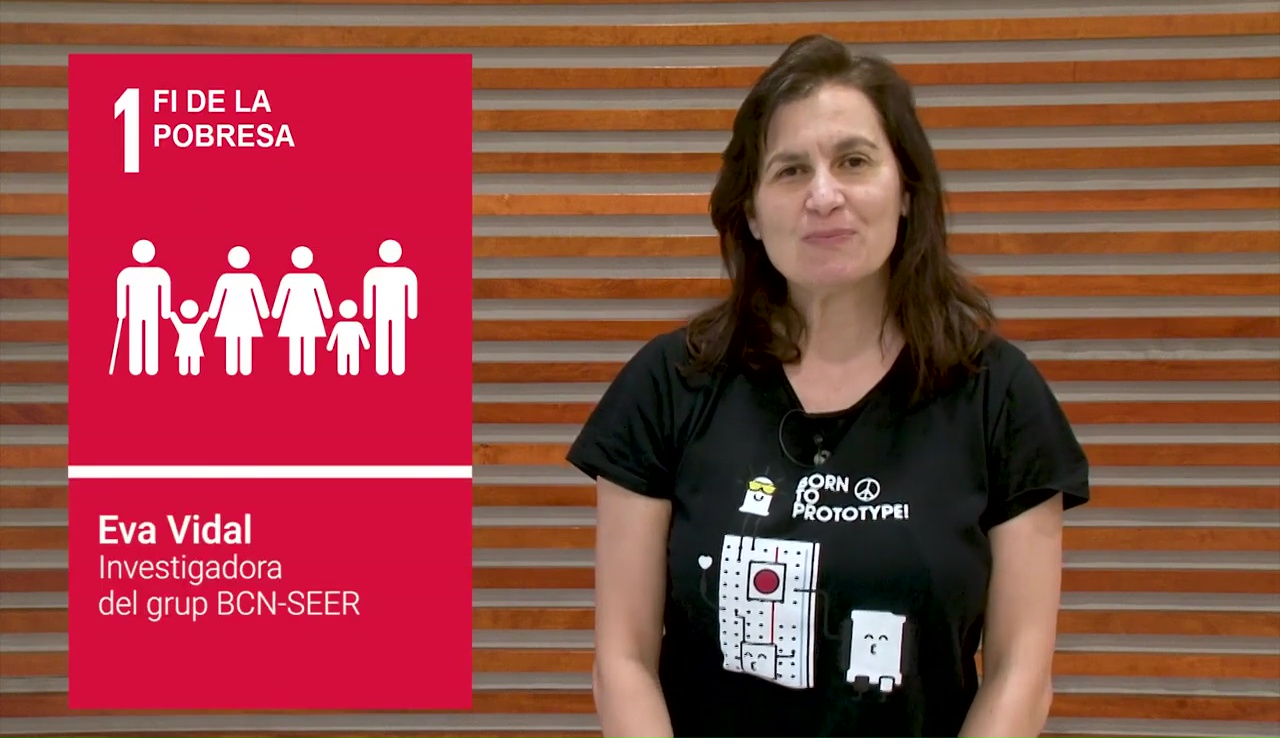
Accions UPC per a l'ODS 1: Fi de la pobresa, amb Eva Vidal
Accés obert
14 de juny 2021
Eva Vidal, investigadora del grup de recerca Barcelona Science and Engineering Education Research Group (BCN SEER) de la UPC, parla de les accions de la Universitat per assolir l'Objectiu de Desenvolupament Sostenible 1, Fi de la pobresa.
Accions UPC per als ODS és una campanya audiovisual a les xarxes socials que mostra alguns dels projectes que es desenvolupen a la UPC per donar resposta als Objectius de Desenvolupament Sostenible (ODS) de les Nacions Unides.
Accions UPC per als ODS és una campanya audiovisual a les xarxes socials que mostra alguns dels projectes que es desenvolupen a la UPC per donar resposta als Objectius de Desenvolupament Sostenible (ODS) de les Nacions Unides.
