

Objectes multimèdia amb l’etiqueta: Centres docents
Resultats de la cerca

9SGProblem: la forma de la forma o com entrenar la intuició
Accés obert
22 de set. 2021
Conferència a càrrec de Daniel García-Escudero, Professor i coordinador de l'assignatura Bases per al Projecte I-II [m]
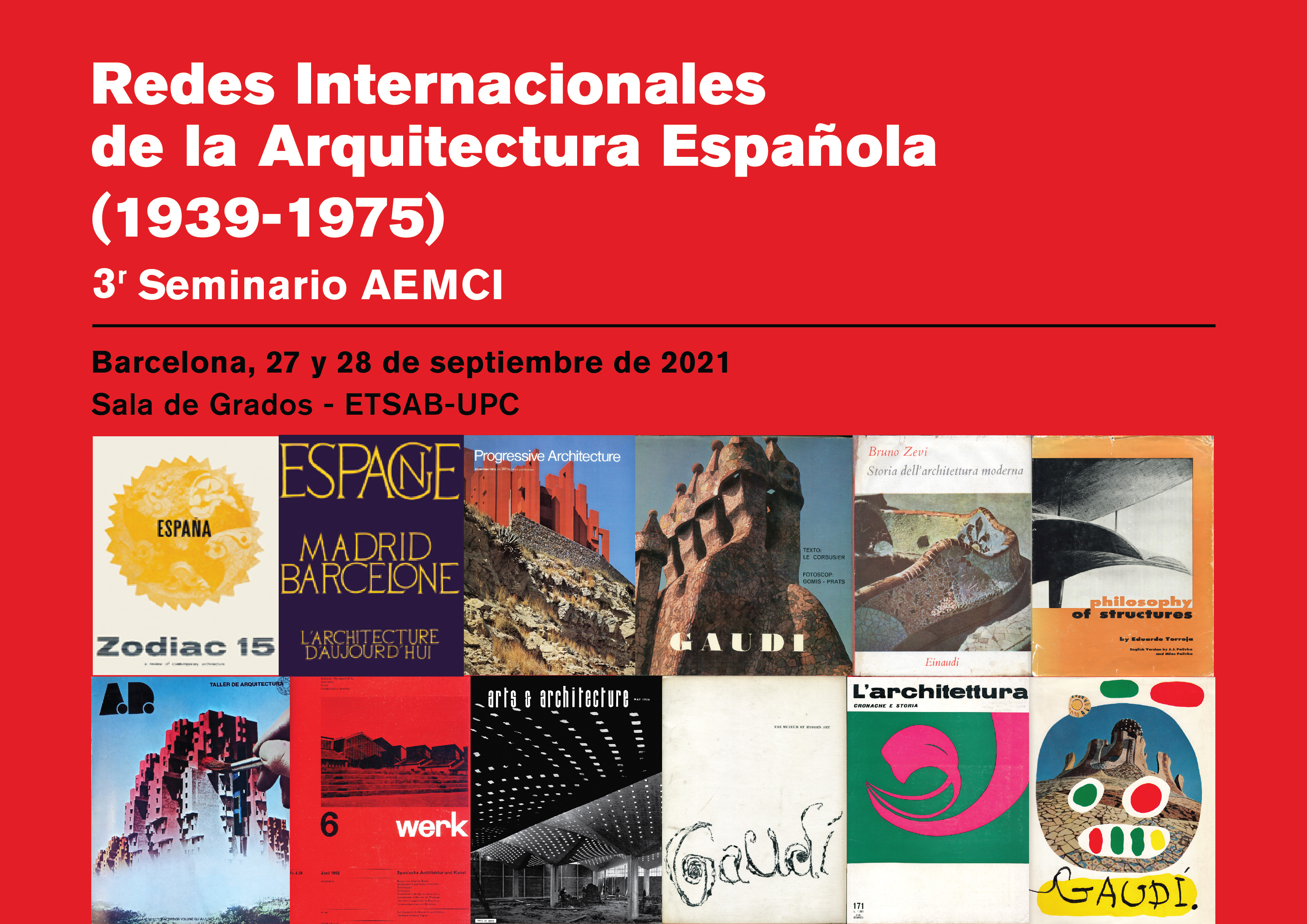
Torroja, Fernández Casado y Candela en los medios impresos internacionales (1934 -1973)
Accés obert
21 de set. 2021
Presentación a cargo de Ramón Graus y Teresa Navas-Ferrer (Departament Teoria Història de l'Arquitectura i Tècniques Comunicació ETSAB - UPC)
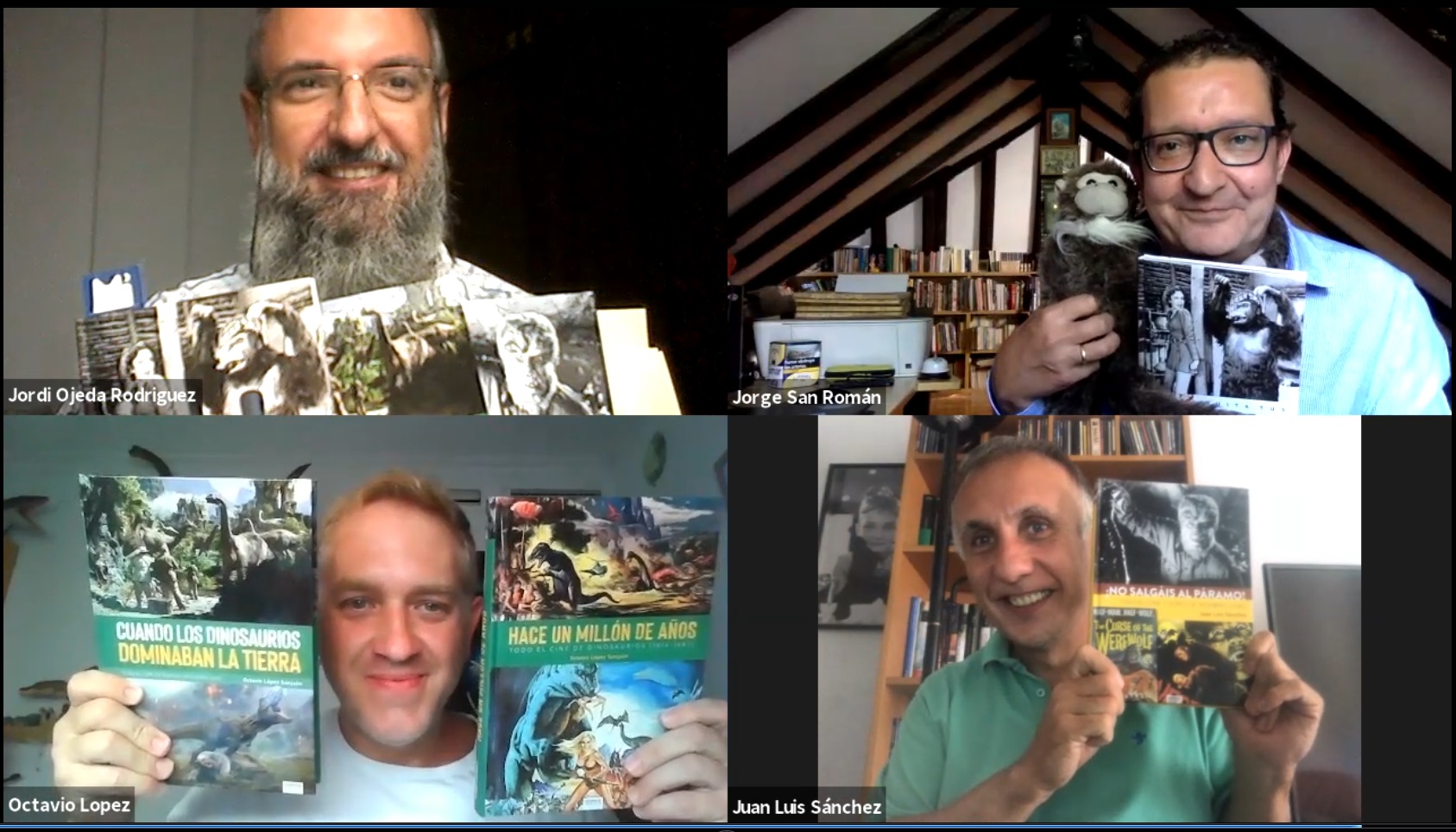
CCT-2021-09-21-Mesa redonda virtual: “La bestia en el cine”. Con Octavio López, Jorge San Román, Juan Luis Sánchez y Jordi Ojeda (solo audio)
Accés obert
21 de set. 2021
Audio de la mesa redonda virtual: “La bestia en el cine”. Con Octavio López, Jorge San Román y Juan Luis Sánchez. Modera Jordi Ojeda.
Mesa redonda virtual con los autores Octavio López Sanjulián (Hace un millón de años. Todo el cine de dinosaurios (1914-1987), y Cuando los dinosaurios dominaban la tierra. Todo el cine de dinosaurios (1988-2020)), Jorge San Román (¡Quita tus patas de encima, mono asqueroso! Gorilas, orangutanes y chimpancés en el cine), y Juan Luis Sánchez (¡No salgáis al páramo! Todo el cine y series de hombres lobo). Modera Jordi Ojeda (Robots de Cine. De María a Alita). Todos los libros publicados por Diábolo Ediciones.
En la fotografía, de izquierda a derecha, Jordi Ojeda y Jorge San Román (arriba), y Octavio López y Juan Luis Sánchez (abajo). Duración: 62 minutos (idioma: castellano). Martes, 21 de septiembre de 2021, a las 19 h.
A continuación, las notas de prensa de cada libro y el link a la página de la editorial con más información de cada publicación:
HACE UN MILLÓN DE AÑOS. Todo el cine de dinosaurios (1914-1987)
Autor: Octavio López Sanjuán
https://www.diaboloediciones.com/hace-un-millon-de-anos-todo-el-cine-de-dinosaurios-1914-1987/
Hace un millón de años recorre la historia de las producciones cinematográficas –grandes clásicos y joyas olvidadas- centradas en estos grandes animales del pasado, desde el nacimiento del séptimo arte hasta el ocaso del stop motion como método revitalizador a finales de la década de los ochenta.
Un sentido homenaje a todos aquellos artistas, que dedicaron su vida a rescatar de la extinción a estos fabulosos animales que dominaron la Tierra y dominan nuestra fantasía desde la más tierna infancia.
Cuando los dinosaurios dominaban la Tierra, Gorgo, La tierra olvidada por el tiempo, El último dinosaurio, Viaje al centro de la Tierra, El planeta de los dinosaurios…y muchas más películas en un libro bellamente ilustrado.
Cuando los dinosaurios dominaban la tierra. Todo el cine de dinosaurios (1988-2020).
Autor: Octavio López Sanjuán
https://www.diaboloediciones.com/cuando-los-dinosaurios-dominaban-la-tierra-todo-el-cine-de-dinosaurios-1988-2020/
Desde En busca del valle encantado a Jurassic World, este libro recoge la historia reciente de los largometrajes dedicados a las bestias del pasado —tanto superproducciones como gemas ocultas— sin olvidar el paso de estas criaturas por la pequeña pantalla. Una filmografía que desafía el paso del tiempo y que demuestra estar más de actualidad que nunca. Prepárate para embarcarte en un viaje por el cine contemporáneo dedicado a esta fauna, entre dentelladas salvajes y pisadas que hacen temblar el suelo.
Cuando los dinosaurios dominaban la tierra continúa la senda que emprendimos con Hace un millón de años, y completa más de un siglo de cine de dinosaurios que ha asombrado a varias generaciones de espectadores.
¡QUITA TUS PATAS DE ENCIMA, MONO ASQUEROSO! Gorilas, orangutanes y chimpancés en el cine
Autor: Jorge San Román
https://www.diaboloediciones.com/%C2%A1quita-tus-patas-de-encima-mono-asqueroso-gorilas-orangutanes-y-chimpances-en-el-cine/
Desde hace mucho tiempo, los monos han ocupado un lugar destacado en la cultura popular. Publicidad, cine, cómics…han dado protagonismo a nuestros parientes más cercanos.
Este libro, que lleva como título, una frase que ha pasado a la historia del cine, recorre todas las películas en que los primates han amado, luchado, destruido…
King Kong, El planeta de los simios, Tarzán de los monos, y muchos más, son títulos que forman parte de nuestros más queridos recuerdos cinematográficos.
¡No salgáis al páramo! Todo el cine y series de hombres lobo.
Autor: Juan Luis Sánchez
https://www.diaboloediciones.com/%C2%A1no-salgais-al-paramo-todo-el-cine-y-series-de-hombres-lobo/
« ¡Marchaos! Pero seguid la carretera. ¡No salgáis al páramo! ¡Y cuidado con la luna!».
Estas advertencias son lo mínimo que puedes escuchar si decides entrar en un pub de la Inglaterra profunda llamado El cordero degollado.
Hace cuarenta años, Un hombre lobo americano en Londres, consiguió que volviéramos a tener miedo las noches de luna llena.
Los licántropos nos han acompañado desde tiempos inmemoriales, y son una parte importante de la cultura popular.
Juan Luis Sánchez (¡Una de vampiros! ¡Devórame otra vez!) recorre en este peludo libro, todo el cine de los aulladores desde el inicio del séptimo arte.
¡En el 2021 se cumplen 40 años de la mítica Un hombre lobo americano en Londres y 80 años de El hombre lobo de Lon Chaney Jr!
Más información en: http://comiccienciatecnologia.blogspot.com.es
Mesa redonda virtual con los autores Octavio López Sanjulián (Hace un millón de años. Todo el cine de dinosaurios (1914-1987), y Cuando los dinosaurios dominaban la tierra. Todo el cine de dinosaurios (1988-2020)), Jorge San Román (¡Quita tus patas de encima, mono asqueroso! Gorilas, orangutanes y chimpancés en el cine), y Juan Luis Sánchez (¡No salgáis al páramo! Todo el cine y series de hombres lobo). Modera Jordi Ojeda (Robots de Cine. De María a Alita). Todos los libros publicados por Diábolo Ediciones.
En la fotografía, de izquierda a derecha, Jordi Ojeda y Jorge San Román (arriba), y Octavio López y Juan Luis Sánchez (abajo). Duración: 62 minutos (idioma: castellano). Martes, 21 de septiembre de 2021, a las 19 h.
A continuación, las notas de prensa de cada libro y el link a la página de la editorial con más información de cada publicación:
HACE UN MILLÓN DE AÑOS. Todo el cine de dinosaurios (1914-1987)
Autor: Octavio López Sanjuán
https://www.diaboloediciones.com/hace-un-millon-de-anos-todo-el-cine-de-dinosaurios-1914-1987/
Hace un millón de años recorre la historia de las producciones cinematográficas –grandes clásicos y joyas olvidadas- centradas en estos grandes animales del pasado, desde el nacimiento del séptimo arte hasta el ocaso del stop motion como método revitalizador a finales de la década de los ochenta.
Un sentido homenaje a todos aquellos artistas, que dedicaron su vida a rescatar de la extinción a estos fabulosos animales que dominaron la Tierra y dominan nuestra fantasía desde la más tierna infancia.
Cuando los dinosaurios dominaban la Tierra, Gorgo, La tierra olvidada por el tiempo, El último dinosaurio, Viaje al centro de la Tierra, El planeta de los dinosaurios…y muchas más películas en un libro bellamente ilustrado.
Cuando los dinosaurios dominaban la tierra. Todo el cine de dinosaurios (1988-2020).
Autor: Octavio López Sanjuán
https://www.diaboloediciones.com/cuando-los-dinosaurios-dominaban-la-tierra-todo-el-cine-de-dinosaurios-1988-2020/
Desde En busca del valle encantado a Jurassic World, este libro recoge la historia reciente de los largometrajes dedicados a las bestias del pasado —tanto superproducciones como gemas ocultas— sin olvidar el paso de estas criaturas por la pequeña pantalla. Una filmografía que desafía el paso del tiempo y que demuestra estar más de actualidad que nunca. Prepárate para embarcarte en un viaje por el cine contemporáneo dedicado a esta fauna, entre dentelladas salvajes y pisadas que hacen temblar el suelo.
Cuando los dinosaurios dominaban la tierra continúa la senda que emprendimos con Hace un millón de años, y completa más de un siglo de cine de dinosaurios que ha asombrado a varias generaciones de espectadores.
¡QUITA TUS PATAS DE ENCIMA, MONO ASQUEROSO! Gorilas, orangutanes y chimpancés en el cine
Autor: Jorge San Román
https://www.diaboloediciones.com/%C2%A1quita-tus-patas-de-encima-mono-asqueroso-gorilas-orangutanes-y-chimpances-en-el-cine/
Desde hace mucho tiempo, los monos han ocupado un lugar destacado en la cultura popular. Publicidad, cine, cómics…han dado protagonismo a nuestros parientes más cercanos.
Este libro, que lleva como título, una frase que ha pasado a la historia del cine, recorre todas las películas en que los primates han amado, luchado, destruido…
King Kong, El planeta de los simios, Tarzán de los monos, y muchos más, son títulos que forman parte de nuestros más queridos recuerdos cinematográficos.
¡No salgáis al páramo! Todo el cine y series de hombres lobo.
Autor: Juan Luis Sánchez
https://www.diaboloediciones.com/%C2%A1no-salgais-al-paramo-todo-el-cine-y-series-de-hombres-lobo/
« ¡Marchaos! Pero seguid la carretera. ¡No salgáis al páramo! ¡Y cuidado con la luna!».
Estas advertencias son lo mínimo que puedes escuchar si decides entrar en un pub de la Inglaterra profunda llamado El cordero degollado.
Hace cuarenta años, Un hombre lobo americano en Londres, consiguió que volviéramos a tener miedo las noches de luna llena.
Los licántropos nos han acompañado desde tiempos inmemoriales, y son una parte importante de la cultura popular.
Juan Luis Sánchez (¡Una de vampiros! ¡Devórame otra vez!) recorre en este peludo libro, todo el cine de los aulladores desde el inicio del séptimo arte.
¡En el 2021 se cumplen 40 años de la mítica Un hombre lobo americano en Londres y 80 años de El hombre lobo de Lon Chaney Jr!
Más información en: http://comiccienciatecnologia.blogspot.com.es
_ Can Batlló a concurs_ Berta Bardí i Milà (20-09-21).jpg)
Infraestructures col·lectives. Can Batlló a concurs
Accés obert
20 de set. 2021
Conferència a càrrec de Berta Bardí, Professora-coordinadora de l'assignatura Projecte i Ciutat. Projectes V Tarda, 1r quadrimestre curs 2021-2022.
Pla Director Urbanístic. Vies Blaves Barcelona
Accés obert
16 de set. 2021
Conferència de Sebastià Jornet, Professor del Departament d'Urbanisme i Ordenació del Territori (DUOT ETSAB UPC). Presentació dela sessió a càrrec de Joan Moreno, Professor coordinador de l'assignatura Urban´sitica III T (DUOT ETSAB | UPC).
"Co-Housing. Un modelo de sostenibilidad social". Marta Peris | "Habitar el límit". Pablo Roel | "Un futuro que compartir, un futuro por construir". Elisa Valero
Accés obert
15 de set. 2021
"Co-Housing. Un modelo de sostenibilidad social" | Marta Peris. "Habitar el límit" | Pablo Roel | "Un futuro que compartir, un futuro por construir" | Elisa Valero
Café científico
Accés obert
14 de set. 2021
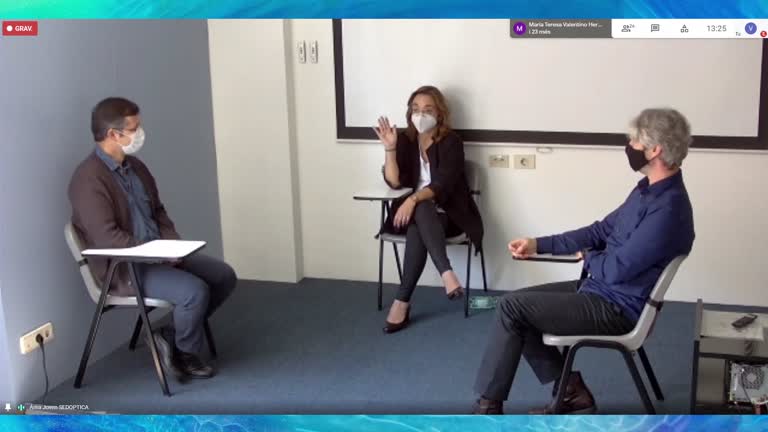
Com a part de les activitats del'acte central a nivell nacional del Dia Internacional de la Llum 2021, la biblioteca del Campus de Terrassa de la Universitat Politècnica de Catalunya (UPC) i l'Área Joven de la Sociedad Española de Óptica (SEDOPTICA) ha organitzat l'event per a joves investigadors anomenat Light Research Café: Junior Explosion!
![Bases per al Projecte I-II [m] Geometries habitables](/uploads/pic/series/6141a7a6a5ad8c0bae2becfb/video/6151bd4e021080064b0c0b32/6347cfe667483274e1537aaa.jpeg)
Bases per al Projecte I-II [m] Geometries habitables
Accés obert
14 de set. 2021
Presentació de curs a càrrec de Daniel García-Escudero, professor coordinador de Bases per al Projecte I-II [m], i els docents que també imparteixen l'assignatura
_ Inauguració del curs + Colònies tèxtils del Llobregat_ Berta Bardí (13-09-21).jpg)
Inauguració del curs. Les colònies tèxtils del Llobregat
Accés obert
13 de set. 2021
Presentació de curs a càrrec de Félix Solaguren-Beascoa i Berta Bardí, professors-coordinadors de l'assignatura Projectes V T.
Habitatge i Ciutat. Inauguració de curs 2021-2022. Besòs. Com compartim
Accés obert
13 de set. 2021
Presentació a càrrec de Pere Joan Ravetllat, Professor Coordinador de l'assignatura Projectes III-T i Josep Bohigas, Professor del Departament de Projectes Arquitectònics ETSAB | UPC - "Arquitectes de Capçalera").

Atravesando fronteras
Accés obert
1 de set. 2021
Audiovisual que presenta brevemente el proyecto de investigación "La Arquitectura Española en los Medios de Comunicación Internacionales: publicaciones, exposiciones, congresos (primera parte1940-1975)" . Guión y dirección: Yolanda Olmos Ruiz y Carme Puche Moré. Equipo de Investigación HAR-2017-85205 - P: Antonio Pizza.
