

Total de resultats de la cerca: 9156
Resultats de la cerca
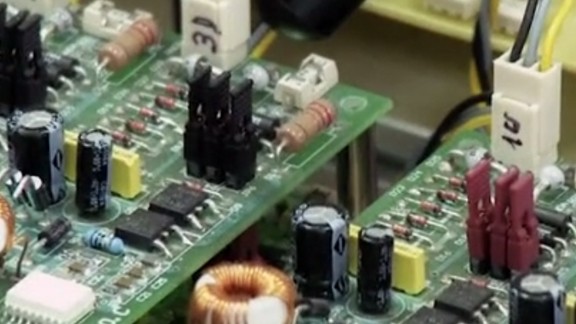
Divisió de Control de l'IOC
Accés obert
7 d’abr. 2014
L’Institut d''Organització i Control de Sistemes Industrials (IOC) és un institut universitari de recerca científica i tècnica de la Universitat Politècnica de Catalunya· BarcelonaTech.
Les línies de recerca de l’IOC inclouen àmbits interdisciplinaris com l'automàtica, la robòtica i l'organització industrial, amb una especial orientació l'anàlisi, el disseny, la direcció i el control dels sistemes logístics i de producció de béns i de serveis, com també als mètodes i a les tècniques adequades per a la resolució d'aquests problemes en aquests àmbits.
En aquest vídeo es presenta l’activitat de la divisió de Control, orientada a la recerca i el desenvolupament de tècniques de modelització, simulació i control de processos, incloent l'aplicació a projectes industrials concrets i els procediments necessaris per a la seva implantació.
Les línies de recerca de l’IOC inclouen àmbits interdisciplinaris com l'automàtica, la robòtica i l'organització industrial, amb una especial orientació l'anàlisi, el disseny, la direcció i el control dels sistemes logístics i de producció de béns i de serveis, com també als mètodes i a les tècniques adequades per a la resolució d'aquests problemes en aquests àmbits.
En aquest vídeo es presenta l’activitat de la divisió de Control, orientada a la recerca i el desenvolupament de tècniques de modelització, simulació i control de processos, incloent l'aplicació a projectes industrials concrets i els procediments necessaris per a la seva implantació.
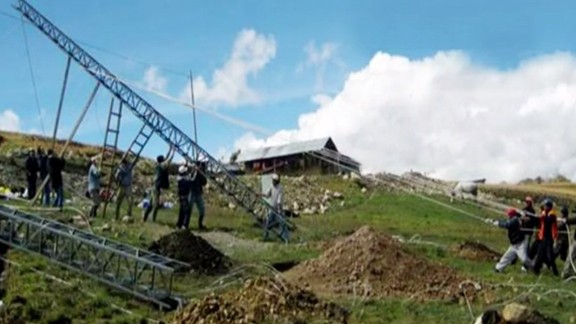
Divisió Logística de l'IOC
Accés obert
7 d’abr. 2014
L’Institut d''Organització i Control de Sistemes Industrials (IOC) és un institut universitari de recerca científica i tècnica de la Universitat Politècnica de Catalunya· BarcelonaTech.
Les línies de recerca de l’IOC inclouen àmbits interdisciplinaris com l'automàtica, la robòtica i l'organització industrial, amb una especial orientació l'anàlisi, el disseny, la direcció i el control dels sistemes logístics i de producció de béns i de serveis, com també als mètodes i a les tècniques adequades per a la resolució d'aquests problemes en aquests àmbits.
En aquest vídeo es presenta la divisió d’Enginyeria d’Organització i Logística orientada a la recerca i la transferència tecnològica en l’àmbit del disseny i la gestió de la cadena d’aprovisionament, és a dir, de sistemes productius i logístics de béns i de serveis, així com també les tècniques necessàries per a la resolució eficient dels problemes corresponents. La divisió duu a terme l’assessorament i l’elaboració d’estudis, models i programari.
Les línies de recerca de l’IOC inclouen àmbits interdisciplinaris com l'automàtica, la robòtica i l'organització industrial, amb una especial orientació l'anàlisi, el disseny, la direcció i el control dels sistemes logístics i de producció de béns i de serveis, com també als mètodes i a les tècniques adequades per a la resolució d'aquests problemes en aquests àmbits.
En aquest vídeo es presenta la divisió d’Enginyeria d’Organització i Logística orientada a la recerca i la transferència tecnològica en l’àmbit del disseny i la gestió de la cadena d’aprovisionament, és a dir, de sistemes productius i logístics de béns i de serveis, així com també les tècniques necessàries per a la resolució eficient dels problemes corresponents. La divisió duu a terme l’assessorament i l’elaboració d’estudis, models i programari.
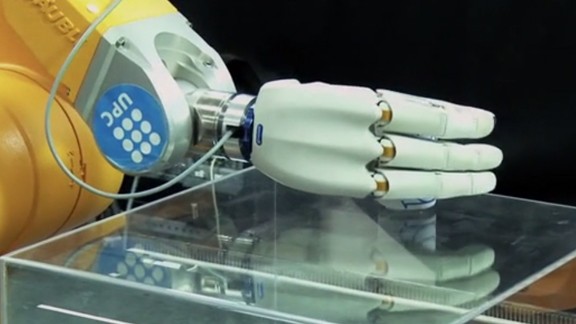
Divisió de Robòtica de l'IOC
Accés obert
7 d’abr. 2014
L’Institut d''Organització i Control de Sistemes Industrials (IOC) és un institut universitari de recerca científica i tècnica de la Universitat Politècnica de Catalunya· BarcelonaTech.
Les línies de recerca de l’IOC inclouen àmbits interdisciplinaris com l'automàtica, la robòtica i l'organització industrial, amb una especial orientació l'anàlisi, el disseny, la direcció i el control dels sistemes logístics i de producció de béns i de serveis, com també als mètodes i a les tècniques adequades per a la resolució d'aquests problemes en aquests àmbits.
La divisió de Robòtica comprèn la investigació bàsica i aplicada sobre els diferents aspectes del robot com a màquina i sobre la seva integració amb altres elements i equipaments per constituir sistemes robotitzats. Igualment, s’estén als camps d’utilització dels robots a la producció, l’exploració i l’assistència, tant en l’àmbit industrial com en el de serveis.
Les línies de recerca de l’IOC inclouen àmbits interdisciplinaris com l'automàtica, la robòtica i l'organització industrial, amb una especial orientació l'anàlisi, el disseny, la direcció i el control dels sistemes logístics i de producció de béns i de serveis, com també als mètodes i a les tècniques adequades per a la resolució d'aquests problemes en aquests àmbits.
La divisió de Robòtica comprèn la investigació bàsica i aplicada sobre els diferents aspectes del robot com a màquina i sobre la seva integració amb altres elements i equipaments per constituir sistemes robotitzats. Igualment, s’estén als camps d’utilització dels robots a la producció, l’exploració i l’assistència, tant en l’àmbit industrial com en el de serveis.
Pechakutxa. Estratègies de transformació urbana
Accés obert
3 d’abr. 2014
Conferència conjunta per al cicle "Espai urbà", de Lucía Zandigiacomi de "Raons Públiques", Miquel Reñé i Uriel Creux.
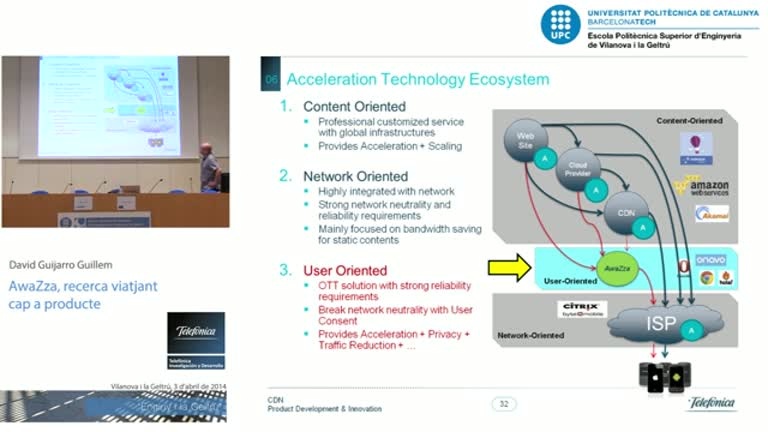
AwaZza, recerca viatjant cap a producte
Accés obert
3 d’abr. 2014
Conferència emmarcada dins el cicle "Enginy i la Geltrú" que es duu a terme mensualment a l'Escola Politècnica Superior d'Enginyeria de Vilanova i la Geltrú. A càrrec de David Guijarro Guillem, expert tecnològic a Telefónica I+D, doctor en Informàtica per la UPC.
La transferència de tecnologia dels laboratoris de recerca fins a l'explotació comercial no és un camí fàcil ni tant sols per als productes de software. AwaZza ens serveix d'exemple de les fases i dificultats trobades pel camí. Eines de desenvolupament àgil, la metodologia "lean startup", la mentalitat experimental --assaig-error-- i, sobretot, la passió per la tecnologia són elements que fan més fàcil el trajecte. Tots aquests elements formen part de l'ADN de Telefónica I+D.
La transferència de tecnologia dels laboratoris de recerca fins a l'explotació comercial no és un camí fàcil ni tant sols per als productes de software. AwaZza ens serveix d'exemple de les fases i dificultats trobades pel camí. Eines de desenvolupament àgil, la metodologia "lean startup", la mentalitat experimental --assaig-error-- i, sobretot, la passió per la tecnologia són elements que fan més fàcil el trajecte. Tots aquests elements formen part de l'ADN de Telefónica I+D.
La tematització de l'espai públic
Accés obert
1 d’abr. 2014
Conferència de Francesc Muñoz, Professor del Departament de Geografia. Facultat de Lletres de la Universitat Autònoma de Barcelona per al cicle "Espai Urbà" organitzat per ESFA ETSAB.
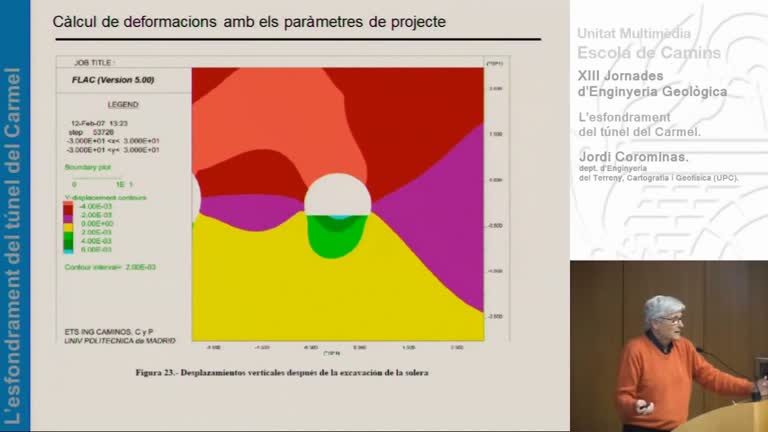
XIII Jornades EG. L’esfondrament del túnel del Carmel
Accés obert
26 de març 2014
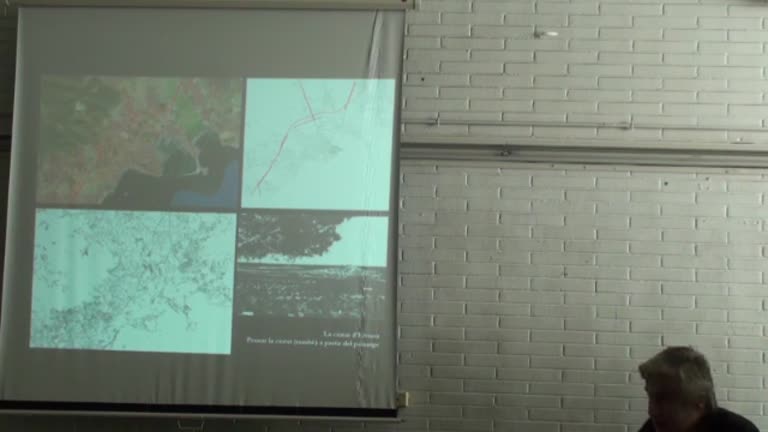
L’esfondrament del túnel del Carmel. Jordi Corominas, dept. d’Enginyeria del Terreny, Cartografia i Geofísica (UPC).
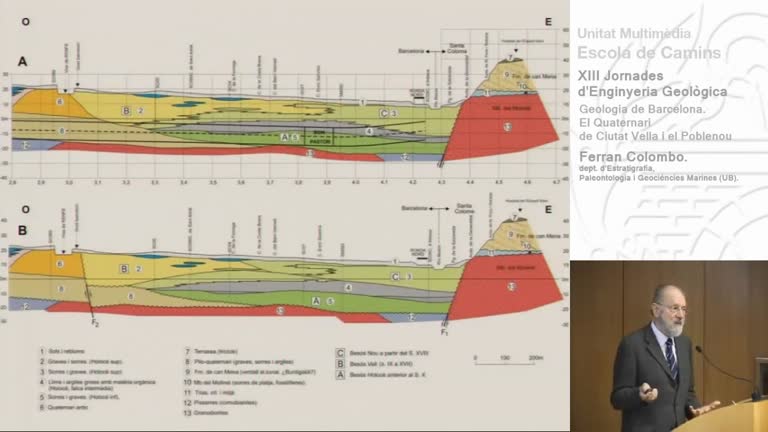
XIII Jornades EG. Geologia de Barcelona. El Quaternari de Ciutat Vella i el Poblenou
Accés obert
26 de març 2014
Geologia de Barcelona. El Quaternari de Ciutat Vella i el Poblenou. Ferran colombo, dept. d'Estratigrafia, Paleontologia i Geociències Marines (UB).
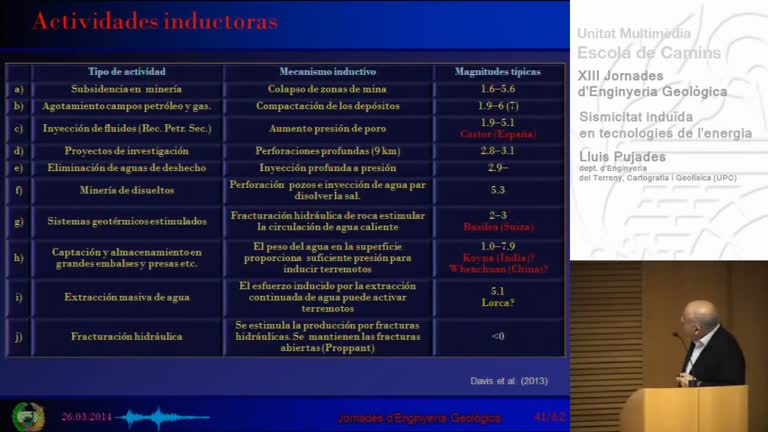
XIII Jornades EG. Sismicitat induïda en tecnologies de l'energia
Accés obert
26 de març 2014
Sismicitat induïda en tecnologies de l'energia. Lluis Pujades, dept. d'Enginyeria del Terreny, Cartografia i Geofísica (UPC).
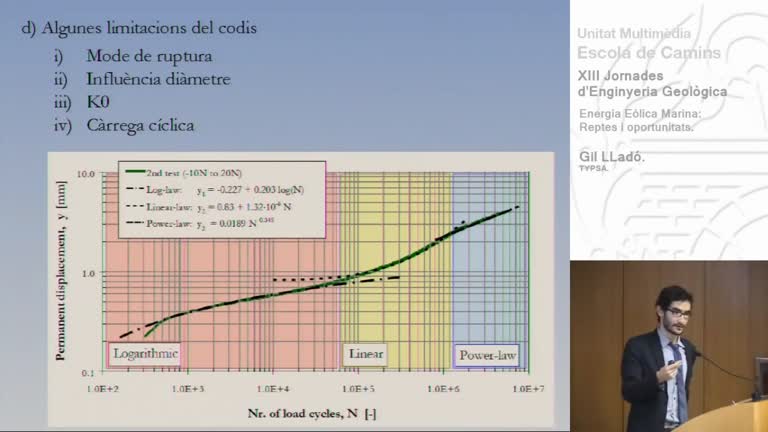
XIII Jornades EG. Energia Eòlica Marina: Reptes i oportunitats
Accés obert
26 de març 2014
Energia Eòlica Marina: Reptes i oportunitats. Gil LLadó, TYPSA.
