

Total de resultats de la cerca: 9156
Resultats de la cerca
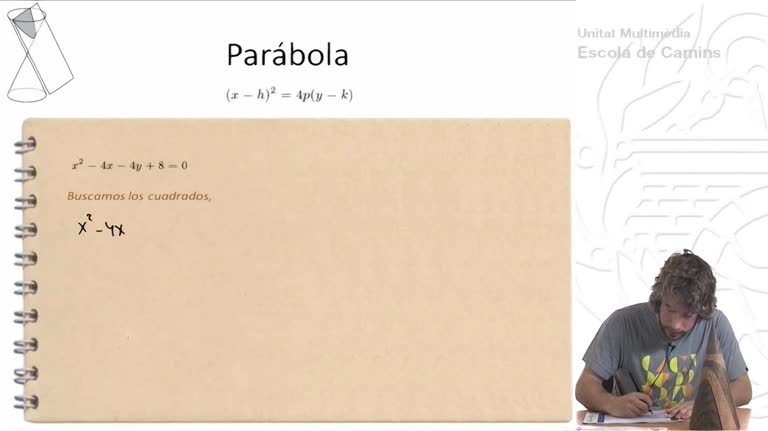
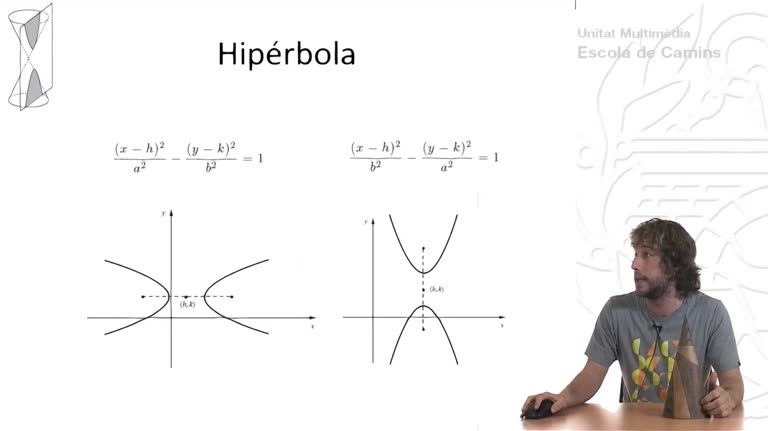
Conferència Joves Arquitectes. Habitatge i ciutat. Projectes III-IVT
Accés obert
28 de nov. 2012
Conferència "Joves Arquitectes" del cicle Habitatge i Ciutat presentada per Pere Joan Ravetllat, Professor responsable de l'assignatura Projectes III-IV Tarda. Intervenció en aquest ordre: Jaime Ferrer Forest, Josep Bunyesc, DataE, Archikubik.
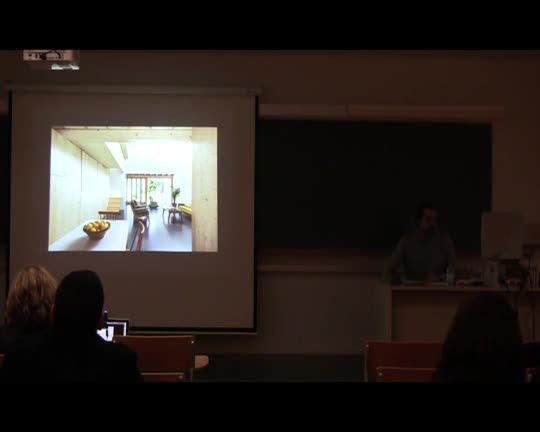
Casa eficiente MZ
Accés obert
28 de nov. 2012
Conferència de Marc Folch, Arquitecte, Calderón-Folch-Sarsanedas Arquitectes Barcelona. Presentat per Zaida Muxí, Codirectora del Máster.
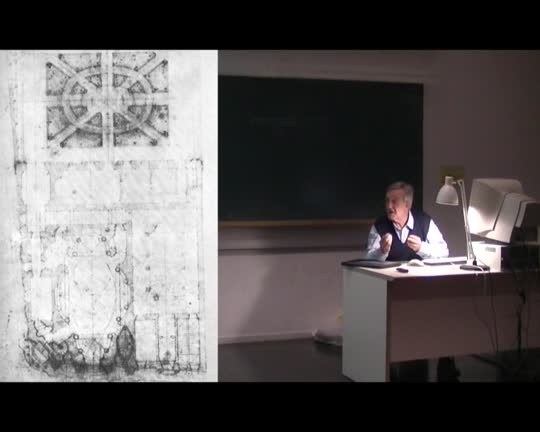
01. La arquitectura es la representación de la construcción
Accés obert
28 de nov. 2012
Conferència d'Helio Piñón, Catedràtic del Departament de Projectes Arquitectònics e l' ETSAB, per a l'assignatura Fundamentos Teóricos del Proyecto Moderno. Marc docent: "Máster de Teoría y Práctica del Proyecto de Arquitectura. Intensificación I", del que és Responsable.
CCT-2012-11-23-Lectura 11-Batman i la tecnología
Accés obert
23 de nov. 2012
Duración: 80 minutos (idioma: catalán y castellano)
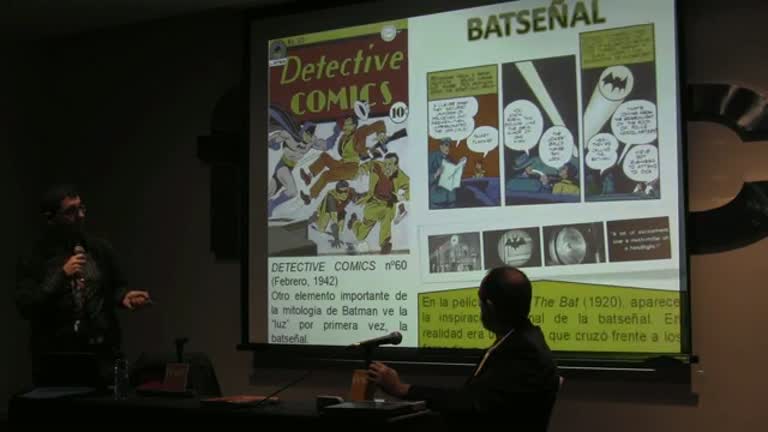
« Batman i la tecnologia»
Viernes 23 de noviembre de 2012, a las 19 horas
Sala Forum de la FNAC LA ISLA
Av. Diagonal, 549-557, Barcelona
Sesión 11, lectura: Batman, Victoria oscura, de Jeph Loeb y Tim Sale, editada por El Catálogo del Cómic (ECC).
Ponente: RUBÉN GONZÁLEZ, Licenciado en Bellas Artes y divulgador de la historieta
Organiza y modera: JORDI OJEDA, director del ciclo de lecturas
El personaje de Batman es de gran actualidad por la reciente trilogía cinematográfica y por la calidad de los cómics publicados en los últimos años que lo han convertido en una de las cabeceras más importantes de la editorial DC y uno de los personajes de ficción más conocidos en todo el mundo. Pero en realidad no se trata de un personaje con superpoderes como otros iconos de los comic-books americanos, sino de un verdadero supertecnólogo, un personaje que utiliza de forma intensiva la tecnología para su labor de héroe nocturno.
Batman es una creación de Bob Kane publicado por primera vez en mayo de 1939 en la revista Detective Comics nº 27. El rápido éxito favoreció que tuviera su propia cabecera en 1940 y desde entonces varias generaciones han seguido sus aventuras. El carácter marcado por la muerte de los padres le espoleó a luchar contra el crimen, empleando su riqueza en desarrollar tecnología para crear armas, herramientas y vehículos que utilizaría en su cruzada personal. Batman representa muy bien el héroe que todos quisiéramos ser, provocándonos al hacernos reflexionar hasta dónde seríamos capaces de llegar y a qué precio. Un conflicto continuo producto de una complejidad emocional y psicológica que le atormenta en su lucha interna y también con el mundo exterior.
Los seriales radiofónicos, las series de televisión de los años cuarenta y sesenta, las películas de Tim Burton y la reciente trilogía dirigida por Christopher Nolan han relanzado y popularizado el personaje. También desde el mundo del cómic, desde donde vendría la inspiración para Burton y Nolan con las obras de Frank Miller o de Jeph Loeb y Tim Sale, autores de la lectura recomendada en esta sesión. "Batman, Victoria Oscura", continuación de la exitosa "El Largo Halloween", ha sido reconocido por el propio Nolan y David S. Goyer, coguionistas de la última trilogía cinematográfica, como la gran inspiración a la hora de definir el argumento, la estética y la definición del personaje.
Precisamente tenemos la oportunidad de poder disfrutar del diseño artístico de la película gracias a la reciente publicación del libro "Manual del Caballero Oscuro. Herramientas, armas, vehiculos y documentos de la Batcueva", realizado por diferentes autores. La obra se convierte en un tesoro para los aficionados a la ciencia-ficción, con detalles de la tecnología futurista presente en las películas, incluido el diseño del Bat-coche o la Bat-cueva.
Més informació a: http://comiccienciatecnologia.blogspot.com.es
« Batman i la tecnologia»
Viernes 23 de noviembre de 2012, a las 19 horas
Sala Forum de la FNAC LA ISLA
Av. Diagonal, 549-557, Barcelona
Sesión 11, lectura: Batman, Victoria oscura, de Jeph Loeb y Tim Sale, editada por El Catálogo del Cómic (ECC).
Ponente: RUBÉN GONZÁLEZ, Licenciado en Bellas Artes y divulgador de la historieta
Organiza y modera: JORDI OJEDA, director del ciclo de lecturas
El personaje de Batman es de gran actualidad por la reciente trilogía cinematográfica y por la calidad de los cómics publicados en los últimos años que lo han convertido en una de las cabeceras más importantes de la editorial DC y uno de los personajes de ficción más conocidos en todo el mundo. Pero en realidad no se trata de un personaje con superpoderes como otros iconos de los comic-books americanos, sino de un verdadero supertecnólogo, un personaje que utiliza de forma intensiva la tecnología para su labor de héroe nocturno.
Batman es una creación de Bob Kane publicado por primera vez en mayo de 1939 en la revista Detective Comics nº 27. El rápido éxito favoreció que tuviera su propia cabecera en 1940 y desde entonces varias generaciones han seguido sus aventuras. El carácter marcado por la muerte de los padres le espoleó a luchar contra el crimen, empleando su riqueza en desarrollar tecnología para crear armas, herramientas y vehículos que utilizaría en su cruzada personal. Batman representa muy bien el héroe que todos quisiéramos ser, provocándonos al hacernos reflexionar hasta dónde seríamos capaces de llegar y a qué precio. Un conflicto continuo producto de una complejidad emocional y psicológica que le atormenta en su lucha interna y también con el mundo exterior.
Los seriales radiofónicos, las series de televisión de los años cuarenta y sesenta, las películas de Tim Burton y la reciente trilogía dirigida por Christopher Nolan han relanzado y popularizado el personaje. También desde el mundo del cómic, desde donde vendría la inspiración para Burton y Nolan con las obras de Frank Miller o de Jeph Loeb y Tim Sale, autores de la lectura recomendada en esta sesión. "Batman, Victoria Oscura", continuación de la exitosa "El Largo Halloween", ha sido reconocido por el propio Nolan y David S. Goyer, coguionistas de la última trilogía cinematográfica, como la gran inspiración a la hora de definir el argumento, la estética y la definición del personaje.
Precisamente tenemos la oportunidad de poder disfrutar del diseño artístico de la película gracias a la reciente publicación del libro "Manual del Caballero Oscuro. Herramientas, armas, vehiculos y documentos de la Batcueva", realizado por diferentes autores. La obra se convierte en un tesoro para los aficionados a la ciencia-ficción, con detalles de la tecnología futurista presente en las películas, incluido el diseño del Bat-coche o la Bat-cueva.
Més informació a: http://comiccienciatecnologia.blogspot.com.es
Ampliació de la Fundació Miró
Accés obert
21 de nov. 2012
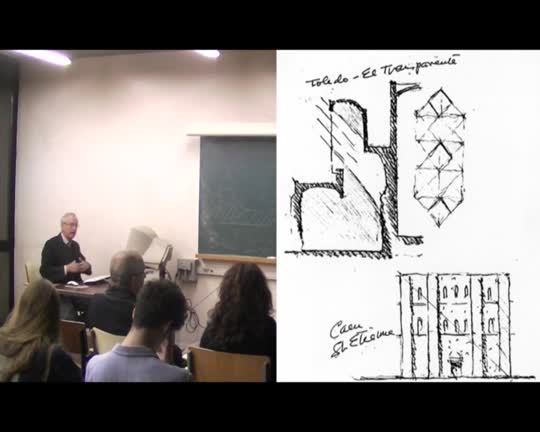
Conferència de Jaume Freixa, Doctor en Arquitectura. Treballà durant 10 anys, de 1969 a 1979 a la Oficina Sert, Jackson and Associates en Cambridge (Massachusetts, Estats Units), com responsable de projectes europeus. Presentat per Judit Taberna, Professora del Departament d'Expressió Gràfica Arquitectònica I de l'ETSAB.
![[SC 2012] La Ciència en primera persona : 'Medicanes' possibles huracans a la Mediterrània](/uploads/pic/series/6040aa649e8fe0002b5e5184/video/604274179e8fe0115069e6c0/210305195818.jpg)
[SC 2012] La Ciència en primera persona : 'Medicanes' possibles huracans a la Mediterrània
Accés obert
21 de nov. 2012
Conferència duta a terme dins el marc de la Setmana de la Ciència 2012 a l'EPSEVG. A càrrec de Dani Ramírez, del programa Espai Terra (TV3).
