

Objectes multimèdia amb l’etiqueta: Urbanisme general
Resultats de la cerca
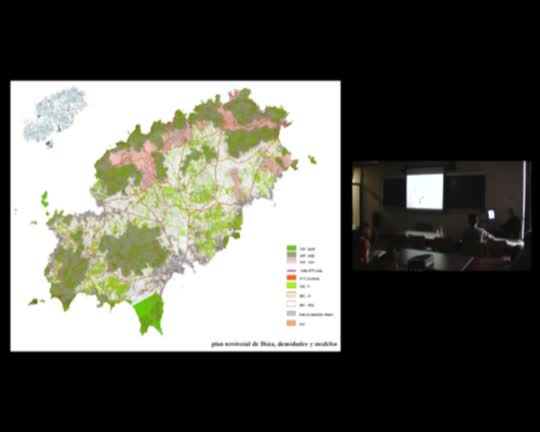
Conferencias paralelas: Doris Tarchópolus; Stefano Cortellaro. Conferencia plenaria: Ramón López Lucio.
Accés obert
13 de juny 2013
Conferencia paralela de la Dra Doris Tarchópolus (Universidad Pontificia Javeriana, Bogotá), presentada por Joaquim Sabaté, DUOT-ETSAB; Stefano Cortellaro (Escola Tècnica Superior La Salle de Barcelona), presentado por Biel Horrach, DUOT-ETSAB. Sesión de tarde: Conferencia plenaria a cargo del Dr. Ramón López de Lucio presentado por Joaquim Sabaté, DUOT-ETSAB.
Barcelona, 13 y 14 de junio de 2013. Buenos Aires, 27 y 28 de junio de 2013. Instituciones organizadoras: Departament d'Urbanisme i Ordenació del Territori. Universitat Politècnica de Catalunya, Instituto del Conourbano. Universidad Nacional del General Sarmiento, Instituto de Arte Americano. Universidad de Buenos Aires.
Barcelona, 13 y 14 de junio de 2013. Buenos Aires, 27 y 28 de junio de 2013. Instituciones organizadoras: Departament d'Urbanisme i Ordenació del Territori. Universitat Politècnica de Catalunya, Instituto del Conourbano. Universidad Nacional del General Sarmiento, Instituto de Arte Americano. Universidad de Buenos Aires.
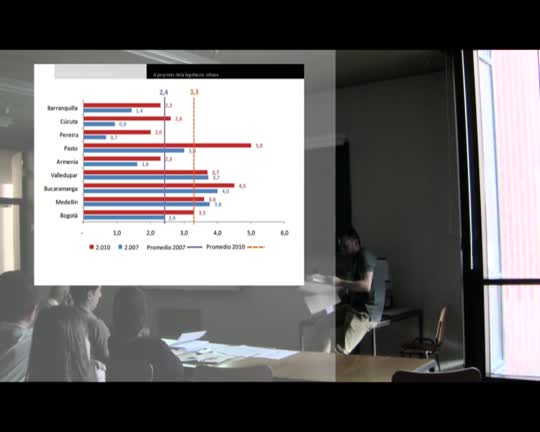
Línia de Investigación: Análisis y Proyecto Urbano. Readers: Francesc Peremiquel y Julián Galindo
Accés obert
13 de juny 2013
Sessió paral·lela. Línia d'Investigació Anàlisi i Projecte Urbà. Readers: Francesc Peremiquel y Julan Galindo. Ponents per aquest (vegeu Títols alternatius): Adriana Ciocoletto; Armando Arteaga Rosero; Milica Lekovic.
Barcelona, 13 y 14 de junio de 2013. Buenos Aires, 27 y 28 de junio de 2013. Instituciones organizadoras: Departament d'Urbanisme i Ordenació del Territori. Universitat Politècnica de Catalunya; Instituto del Conourbano. Universidad Nacional del General Sarmiento; Instituto de Arte Americano. Universidad de Buenos Aires.
Barcelona, 13 y 14 de junio de 2013. Buenos Aires, 27 y 28 de junio de 2013. Instituciones organizadoras: Departament d'Urbanisme i Ordenació del Territori. Universitat Politècnica de Catalunya; Instituto del Conourbano. Universidad Nacional del General Sarmiento; Instituto de Arte Americano. Universidad de Buenos Aires.
Línia de Investigación: Análisis y Proyecto Territorial. Readers: Ricard Pie, Joâo Pedroy Amelia Reynaldo Costa
Accés obert
13 de juny 2013
Sessió paral·lela. Línia d'Investigació "Anàlisi i Projecte Territorial". Readers: Ricard Pie, Joäo Pedro Costa i Amelia Reynaldo. Ponents en aquest ordre (vegeu Títols alternatius): Joao Leite; Inés López Moreira; Ana Margarita Tavares i Alessandro Muzi.
Barcelona, 13 y 14 de junio de 2013. Buenos Aires, 27 y 28 de junio de 2013. Instituciones organizadoras: Departament d'Urbanisme i Ordenació del Territori. Universitat Politècnica de Catalunya; Instituto del Conourbano. Universidad Nacional del General Sarmiento; Instituto de Arte Americano. Universidad de Buenos Aires.
Barcelona, 13 y 14 de junio de 2013. Buenos Aires, 27 y 28 de junio de 2013. Instituciones organizadoras: Departament d'Urbanisme i Ordenació del Territori. Universitat Politècnica de Catalunya; Instituto del Conourbano. Universidad Nacional del General Sarmiento; Instituto de Arte Americano. Universidad de Buenos Aires.
Proyectos del Realismo crítico en la era de la simultaneidad: debates sobre la gestión de la información y las actuaciones en la ciudad construida
Accés obert
1 de gen. 2013
Presentació de Tesi Doctoral de Ferran Grau Valldosera. Director: Josep Lluís Mateo (Swiss Federal institute of Technology in Zurich (ETHZ). Co-director: Eduard Bru (PA-ETSAB). Departament de Projectes Arquitectònics. Escola Tècnica Superior d'Arquitectura de Barcelona, Universitat Politècnica de Catalunya. Tesi Doctoral dipositada a TDX:http://hdl.handle.net/10803/134688
Realism in architecture is a "mutant' concept which admits multiple meanings. Accordingly it would be more precise to talk about realism - in plural - and to try to properly place each one in the contemporary context. at the same time, the relation between realism and architecture is not precise and specific anymore, we could even say it is not "real" any longer and, paradoxically, it has become more abstract. This new situation has a reason: the multiplicity of meanings that architectural realism has assumed. Trends which use architecture adjectivally are increasing more and more. For example, we can talk about high tech, iconic, virtual, sustainable, modern, commercial, classic-postmodern, or real architecture, among others. Facing this architectural variety, the debate between "realist" and "non realist" is increasingly becoming a complex issue. ln the architectural context, the main difficulty in order ta comprehend realism and specifically critic realism is precisely the definition of the meaning of "realism". We usually refer to realism in terms of what has meant in the past and not what it means in the present. The recognition of architecture realism's mutability and therefore the multiplicity of meanings establish a starting point tor this research. Among all realisms, there is one which assumes a critical attitude and a commitment with the built city as well as with the complexity of the new information Age and of globalization. In turn, architectural critical realism also assumes different forms which place it in the frame of resistance to the global; cammunicative and urban integration will; social and environmental commitment; technological development and programmatic pragmatism. This research approaches the (fragmented) definition of architectural critical realism through the study of projects built in Western Europe since 1980s and supported with references from postwar reaism (1950-1960) and the artistic and literary realism of the second half of the 191th century. Architecture of critic realism claims to be an "ethic attitude" as new brutalism was in the postwar and also in the 19th century. This attitude settles ils architectural proposals in the knowledge of reality understood as a physical, social, political, economical, technological and cultural context. It recognizes the complexity of globalization and of the new information age. At the same time it assumes a strong commitment with the built city, society and archilectural discipline. The age of simultaneity-which chronologically contextualizes this research - is a consequence of the technological and informative revolution consolidated since the 1990s at the same time as the global transfer from analogical to digital was taking place. In the architectural environment we can recognize simultaneity in hybrid programs, the new professinal partenship (increasing collaboration with consultants) and the new construction management systems (for example the fast track). One of the consequences of simultaneity is the difficulty in information management. ln this aspect, critic realism always tries to work with the essential information required for an architectural design. The built city is the natural scenario for the critic and realist attitude; a city which is the result of globalization effects such as urbanalization of historic centers and outs kirts, and the inevitable absorption of the periphery -which was one of the big issues of the 1980s. Critic realism intervenes in this context aiming to revitalize, transofrm, restore and even demolish it if necessary. In any case critic realism always acts with the aim to build or rebuild the identity of the built city and to set up the idea of urban sense of belonging.
Realism in architecture is a "mutant' concept which admits multiple meanings. Accordingly it would be more precise to talk about realism - in plural - and to try to properly place each one in the contemporary context. at the same time, the relation between realism and architecture is not precise and specific anymore, we could even say it is not "real" any longer and, paradoxically, it has become more abstract. This new situation has a reason: the multiplicity of meanings that architectural realism has assumed. Trends which use architecture adjectivally are increasing more and more. For example, we can talk about high tech, iconic, virtual, sustainable, modern, commercial, classic-postmodern, or real architecture, among others. Facing this architectural variety, the debate between "realist" and "non realist" is increasingly becoming a complex issue. ln the architectural context, the main difficulty in order ta comprehend realism and specifically critic realism is precisely the definition of the meaning of "realism". We usually refer to realism in terms of what has meant in the past and not what it means in the present. The recognition of architecture realism's mutability and therefore the multiplicity of meanings establish a starting point tor this research. Among all realisms, there is one which assumes a critical attitude and a commitment with the built city as well as with the complexity of the new information Age and of globalization. In turn, architectural critical realism also assumes different forms which place it in the frame of resistance to the global; cammunicative and urban integration will; social and environmental commitment; technological development and programmatic pragmatism. This research approaches the (fragmented) definition of architectural critical realism through the study of projects built in Western Europe since 1980s and supported with references from postwar reaism (1950-1960) and the artistic and literary realism of the second half of the 191th century. Architecture of critic realism claims to be an "ethic attitude" as new brutalism was in the postwar and also in the 19th century. This attitude settles ils architectural proposals in the knowledge of reality understood as a physical, social, political, economical, technological and cultural context. It recognizes the complexity of globalization and of the new information age. At the same time it assumes a strong commitment with the built city, society and archilectural discipline. The age of simultaneity-which chronologically contextualizes this research - is a consequence of the technological and informative revolution consolidated since the 1990s at the same time as the global transfer from analogical to digital was taking place. In the architectural environment we can recognize simultaneity in hybrid programs, the new professinal partenship (increasing collaboration with consultants) and the new construction management systems (for example the fast track). One of the consequences of simultaneity is the difficulty in information management. ln this aspect, critic realism always tries to work with the essential information required for an architectural design. The built city is the natural scenario for the critic and realist attitude; a city which is the result of globalization effects such as urbanalization of historic centers and outs kirts, and the inevitable absorption of the periphery -which was one of the big issues of the 1980s. Critic realism intervenes in this context aiming to revitalize, transofrm, restore and even demolish it if necessary. In any case critic realism always acts with the aim to build or rebuild the identity of the built city and to set up the idea of urban sense of belonging.
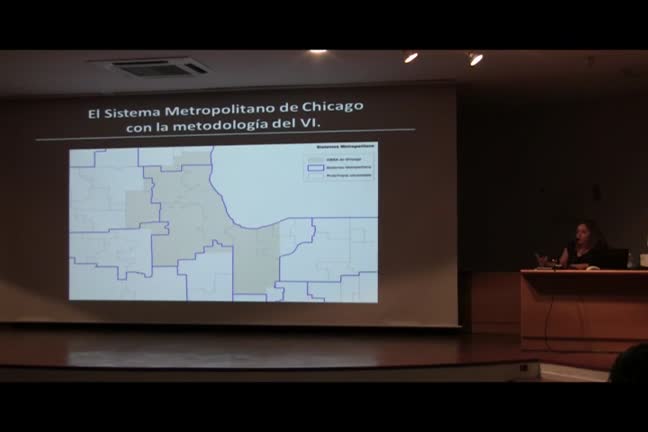
El Urban Sprawl, ¿un fenómeno de alcance planetario?
Accés obert
29 de jul. 2012
Conferència de Blanca Arellano per el Workshop Postsuburbia. És Màster de Gestió y i Valoració Urbana per Universitat Politècnica de Catalunya(2009) i Arquitecta (1994), “Premio al Mérito Escolar 93-2”, per la Universidad Autónoma de Baja California.
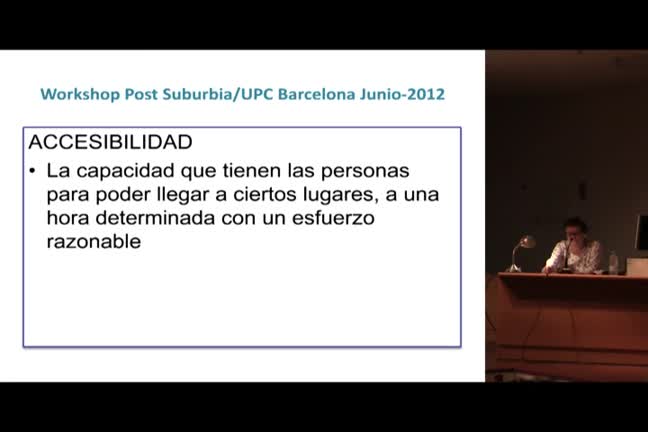
La movilidad de las mujeres en los tejidos dispersos de baja densidad
Accés obert
29 de jul. 2012
Conferència de Carmen Miralles per el Workshop Potsuburbia. És Doctora en Geografía i professora titular del Departament de Geografía de la Universitat Autònoma de Barcelona. Especialitzada en la escola d'Urbanisme de la Universitat de Venecia, al Grup Reseaux, de l' Escola d'Enginyers de la Universitat París VIII i al departament de Ciències Socials de la University California Los Angeles.
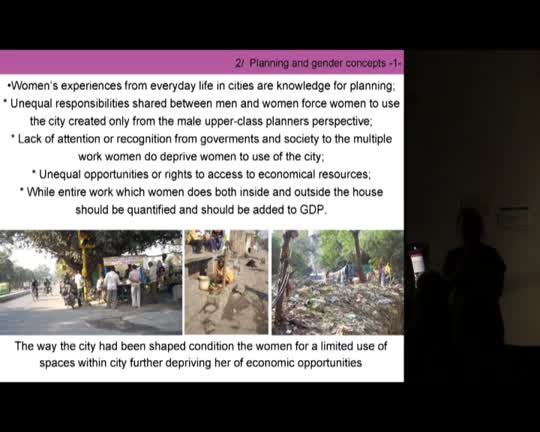
Incorporar la perspectiva de gènere al projecte urbà
Accés obert
10 de jul. 2012
Presentació de Zaida Muxí, Doctora Arquitecta i professora Agregada al departament d'Urbanisme de l'ETSAB, per al Urban International Workshop Delhi, Taller Internacional organitzat per l'Associació Equal Saree, ETSAB i Jamia Millia Islamia University.
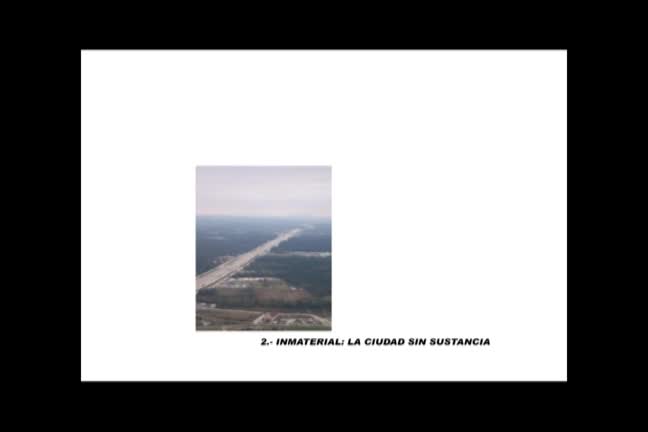
Antípolis
Accés obert
29 de juny 2012
Conferència de Carlos García Vázquez per el Workshop Postsuburbia. És Doctor Arquitecte i Catedràtic de Composició Arquitectònica del Departament d' Història, Teoría i Composició Arquitectòniques de la Universitat de Sevilla. Másters: "La cultura de la metrópoli". Director: D. Ignasi Solà- Morales. Universitat Politécnica de Catalunya. (1997) Tesis doctoral: "Berlín - Potsdamer Platz: metrópoli y arquitectura en transición (1998) Director: D. Víctor Pérez Escolano.
És autor dels llibres: “Antípolis. El desvanecimiento de lo urbano en el Cinturón del Sol” (Gustavo Gili, Barcelona, 2010), “Ciudad Hojaldre. Visiones urbanas del siglo XXI” (Gustavo Gili, Barcelona, 2004) y “Berlín-Potsdamer Platz: metrópoli y arquitectura en transición” (Fundación Caja de Arquitectos, Barcelona, 2000). Entre els capítols de llibres: “Visiones Urbanas del Siglo XXI. Proyecto, Arquitectura y Ciudad”. Alicante. Colegio Territorial de de Arquitectos de Alicante. 2010. Pag. 89-95¸ “Ciudad Global, Ciudad Dual: Tardocapitalismo, Ciudad y Sociedad”. Cuadernos del Centro Cultural de España en el Salvador. San Salvador (el Salvador). Centro Cultural de España en el Salvador. Vol. 8. 2009. Pag. 51-59; “La Desmaterialización de la Ciudad Contemporánea: el Caso del Sunbelt”. La Materia de la Arquitectura. Ciudad Real. Fundación Miguel Fisac. 2009. Pag. 169-177.
Ha participat amb les seves aportacions en diversos congressos: Late Capitalism and the Crisis of Planning. Actas de la 11th Conference of the International Planning History Society (Iphs) (Planning Models and the Culture of Cities. 11th Conference of the International Planning History Society (). Barcelona. Universidad Politécnica de Cataluña. 2004. Pag. 203-203.
És autor dels llibres: “Antípolis. El desvanecimiento de lo urbano en el Cinturón del Sol” (Gustavo Gili, Barcelona, 2010), “Ciudad Hojaldre. Visiones urbanas del siglo XXI” (Gustavo Gili, Barcelona, 2004) y “Berlín-Potsdamer Platz: metrópoli y arquitectura en transición” (Fundación Caja de Arquitectos, Barcelona, 2000). Entre els capítols de llibres: “Visiones Urbanas del Siglo XXI. Proyecto, Arquitectura y Ciudad”. Alicante. Colegio Territorial de de Arquitectos de Alicante. 2010. Pag. 89-95¸ “Ciudad Global, Ciudad Dual: Tardocapitalismo, Ciudad y Sociedad”. Cuadernos del Centro Cultural de España en el Salvador. San Salvador (el Salvador). Centro Cultural de España en el Salvador. Vol. 8. 2009. Pag. 51-59; “La Desmaterialización de la Ciudad Contemporánea: el Caso del Sunbelt”. La Materia de la Arquitectura. Ciudad Real. Fundación Miguel Fisac. 2009. Pag. 169-177.
Ha participat amb les seves aportacions en diversos congressos: Late Capitalism and the Crisis of Planning. Actas de la 11th Conference of the International Planning History Society (Iphs) (Planning Models and the Culture of Cities. 11th Conference of the International Planning History Society (). Barcelona. Universidad Politécnica de Cataluña. 2004. Pag. 203-203.
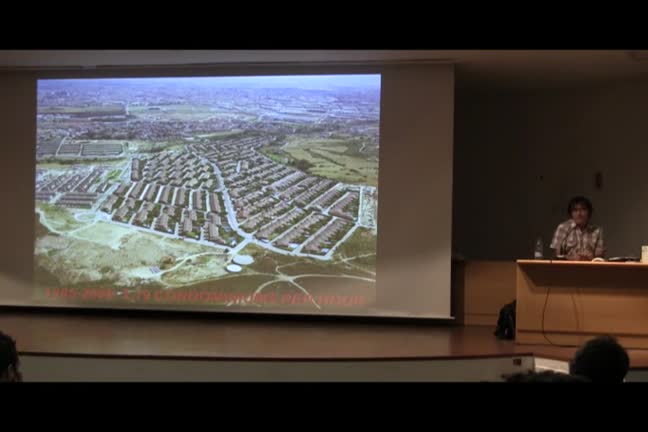
Against Urbanalization: Urban recycling vs Urban copy&paste
Accés obert
29 de juny 2012
Presentació de Francesc Muñoz, Doctor en Geografia i professor en la Universitat Autònoma de Barcelona (UAB). Ha rebut reconeixements com el premi a la millor tesis doctoral en atenció als valors humans en la ingeniería per la Càtedra Victoriano Muñoz Oms de la Universitat Politècnica de Cataluny (2004)
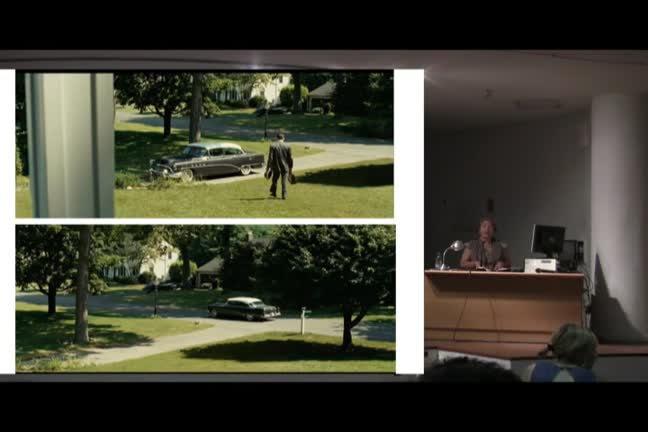
Transformación necesaria de la urbanización dispersa: barrio - ciudad próxima
Accés obert
29 de juny 2012
Doctora arquitecta, professora agregada del Departament d'Urbanisme i Ordenació del Territori a l' Escola Tècnica Superior d' Arquitectura de Barcelona - ETSAB. Es codirectora del programa de Máster Laboratorio de la Vivienda del siglo XXI.
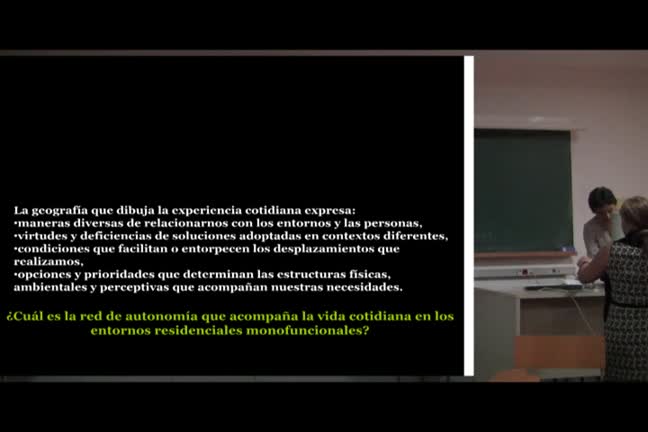
¿Porqué nos interesa hablar de la vida cotidiana en los entornos residenciales monofuncionales?
Accés obert
27 de juny 2012
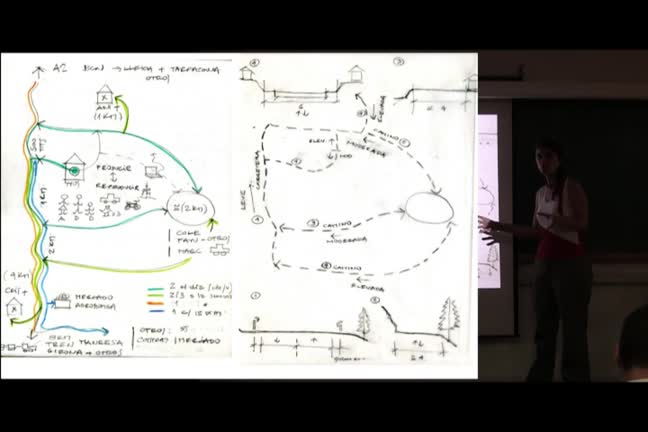
Experiencia cotidiana y análisis urbanos
Accés obert
27 de juny 2012
Presentació de Adriana Ciocoletto, Arquitecta, Màster en Gestión y Valoración Urbana (UPC), integrant del col·lectiu Punt6. Investigadora al Centre de Politica del Sòl i Valoracions de la UPC. Col·laboradora del Master Laboratorio de la Vivienda del siglo XXI.
