

Objectes multimèdia amb l’etiqueta: Actes oficials i institucionals
Resultats de la cerca

Al cap de 60 anys
Accés obert
21 de set. 2011
Lliçó inaugural del curs 2011-2012 a càrrec de l'arquitecte Oriol Bohigas a la Sala d'actes de l'ETSAB. Presentació de Ferran Sagarra, Director de l'ETSAB.
Lliçó inaugural Projectes V-VI M
Accés obert
14 de set. 2011
Lliçó inaugural per l'assignatura "Projectes V-VI-Matins" del curs 2011- 2012, a càrrec de l'arquitecte Elisabet Capdeferro.
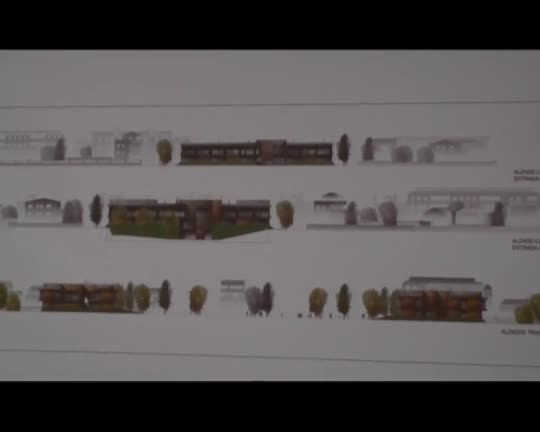
Comunicació visual de l'arquitectura
Accés obert
9 de set. 2011
Conferència a càrrec de Lluís Villanueva i Bartrina, arquitecte i professor convidat. Presentat per Félix Pardo, professor del Departament de Construccions Arquitectòniques I.
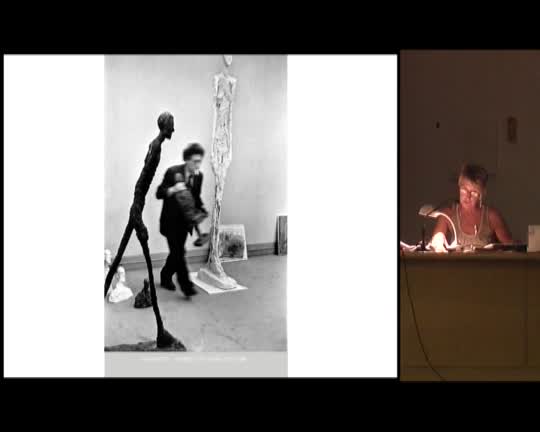
La arquitectura como forma de conocimiento
Accés obert
8 de set. 2011
Conferència a càrrec d' Elena Fernánza Salas, professora del Departament de Projectes Arquitectònics de l'ETSAB per la Setmana d'acollida a estudiants de nou ingrés. Amb la presentació de Félix Pardo, professor de Construccions Arquitectòniques I.
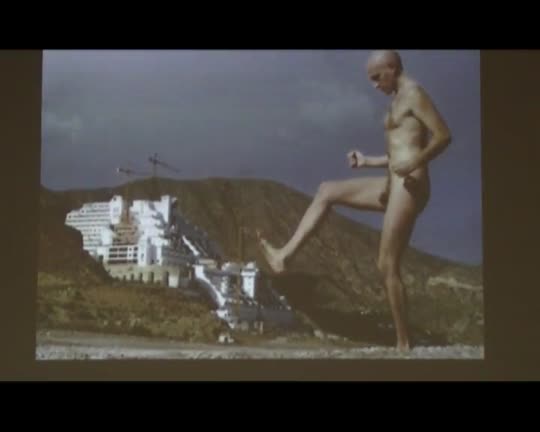
¿Quién teme al ladrillo feroz?
Accés obert
5 de set. 2011
Conferència a càrrec de Josep Bohigas, professor del Departament de Projectes Arquitectònics de l'ETSAB. Prèviament, projecció del curtmetratge "The Week" dirigit per Buster Keaton i Eddie Cline de l'any 1920.
Final Review: Clausura "Besides Tourism" (2na part).
Accés obert
21 de jul. 2011
Segona part de Final Review del Workshop "Besides Tourism". Jury with guests: Silvia Banchinni; Pablo ley, Paul de Vromm i Sergio Márquez. Cloenda a càrrec de Ferran Sagarra, Director de l'ETSAB i Karin Hofert, Directora i coordinadora del Workshop.
Final Review: Clausura Besides Tourism (1a part)
Accés obert
21 de jul. 2011
Final Review (1a part), de "Besides Tourism", presentat per Karin Hofert, Directora del Workshop i la participació entre altres, del Director de l'ETSAB, Ferran Sagarra. [Jury with guests: Silva Banchinni, Pablo Ley, Paul de Vromm i Sergio Márquez].
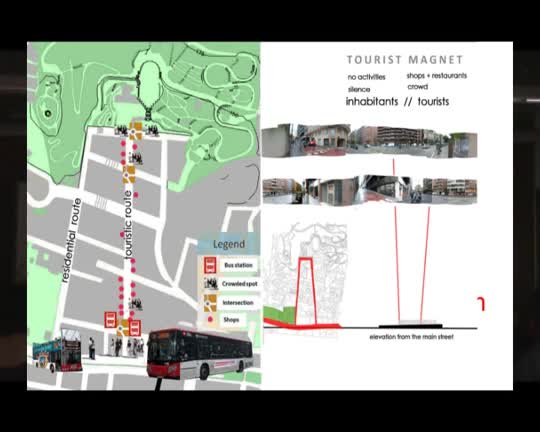
Halfway Presentations (2na Part)
Accés obert
15 de jul. 2011
Jury with guest: Maria Goula, Álex Giménez and Kahtrin-Pongratz, de les Universitats NCKU, GATECH, ITU, CNU, USB, MSA, BJUT, NTU I ETSAB. T'ETSAB 2011, Workshop dirigit i coordinat per Karin Hofert, professora del Departament de Projectes Arquitectònics i Sots-directora de Relacions Internacionals de l'ETSAB.
Halfway Presentations (1a Part)
Accés obert
15 de jul. 2011
Jury with guest: Maria Goula, Álex Giménez and Kahtrin-Pongratz, de les Universitats NCKU, GATECH, ITU, CNU, USB, MSA, BJUT, NTU I ETSAB.
T'ETSAB 2011, és el Workshop dirigit i coordinat per Karin Hofert, professora del Departament de Projectes Arquitectònics i Sots-directora de Relacions Internacionals de l'ETSAB.
T'ETSAB 2011, és el Workshop dirigit i coordinat per Karin Hofert, professora del Departament de Projectes Arquitectònics i Sots-directora de Relacions Internacionals de l'ETSAB.
Lecture 2: Underground Barcelona
Accés obert
13 de jul. 2011
Conferència - Lecture 2 del Workshop "Besides Tourism" amb presentació de Karin Hofert, directora i coordinadora del Workshop, de l'autora, Rosina Vinyes.
Round Table about the Workshop Topics
Accés obert
12 de jul. 2011
Workshop coordinat i dirigit per Karin Hofert, professora del Departament de Projectes Arquitectònics i Sots-directora de Relacions Internacionals de l'ETSAB. Round table about The Workshop topics with guests at the COAC.
