

Objectes multimèdia amb l’etiqueta: Centres docents
Resultats de la cerca
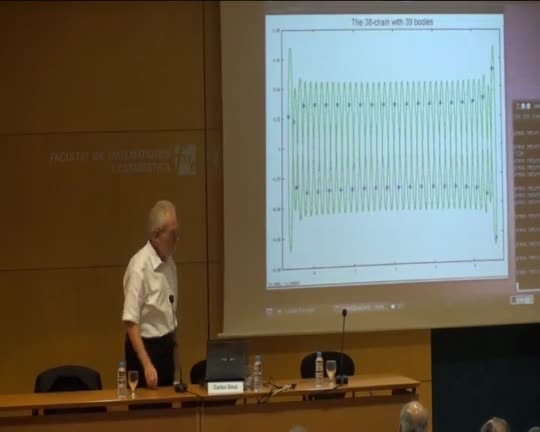
Les Danses dels N cossos. Lliçó inaugural Curs Lagrange (2013-2014)
Accés obert
2 d’oct. 2013
El problema gravitatori de N cossos només admet solucions explícites en el cas N=2 i en alguns cassos molt simètrics si N>2. Una d'aquestes solucions per a N=3 fou descoberta per Lagrange (Torino 1736 - Paris 1813) l'any 1772. En el cas de masses iguals els tres cossos es mouen de forma periòdica en un cercle, girant com en una mena de dansa.
És natural preguntar-se si hi ha altres solucions periòdiques del problema de N cossos amb masses iguals tals que tots es mouen sobre la mateixa corba. No va ser fins l'any 1999 que Chenciner i Montgomery van demostrar l'existència de la solució en forma de vuit per a N=3, coneguda ja numèricament per Moore des de 1993.
A finals de l'any 1999 vaig dedicar una certa atenció a aquest problema. Vaig obtenir centenars de solucions per a valors de N molt variats i corbes de formes diverses. Tot veient el moviment dels cossos vaig considerar natural anomenar-les ``coreografies''. En la xerrada presentaré alguns exemples i indicaré com es poden calcular numèricament i com demostrar la seva existència. Un punt important es el ``càlcul de variacions'' introduït per Lagrange quan tenia 19 anys. Euler ja l'havia descobert, però va deixar que Lagrange ho publiqués primer. En Leonhard Euler era ja prou conegut...(UPC. Facultat de Matemàtiques i Estadística. [en línia]. Barcelona: UPC, octubre 2013 [Consulta: 14 octubre 2013]. Disponible a: <https://www.fme.upc.edu/fme/activitats-de-l-fme/2013-2014/inauguracio-del-curs-fme-2013-2014-any-lagrange>.
És natural preguntar-se si hi ha altres solucions periòdiques del problema de N cossos amb masses iguals tals que tots es mouen sobre la mateixa corba. No va ser fins l'any 1999 que Chenciner i Montgomery van demostrar l'existència de la solució en forma de vuit per a N=3, coneguda ja numèricament per Moore des de 1993.
A finals de l'any 1999 vaig dedicar una certa atenció a aquest problema. Vaig obtenir centenars de solucions per a valors de N molt variats i corbes de formes diverses. Tot veient el moviment dels cossos vaig considerar natural anomenar-les ``coreografies''. En la xerrada presentaré alguns exemples i indicaré com es poden calcular numèricament i com demostrar la seva existència. Un punt important es el ``càlcul de variacions'' introduït per Lagrange quan tenia 19 anys. Euler ja l'havia descobert, però va deixar que Lagrange ho publiqués primer. En Leonhard Euler era ja prou conegut...(UPC. Facultat de Matemàtiques i Estadística. [en línia]. Barcelona: UPC, octubre 2013 [Consulta: 14 octubre 2013]. Disponible a: <https://www.fme.upc.edu/fme/activitats-de-l-fme/2013-2014/inauguracio-del-curs-fme-2013-2014-any-lagrange>.
Llum i matèria
Accés obert
25 de set. 2013
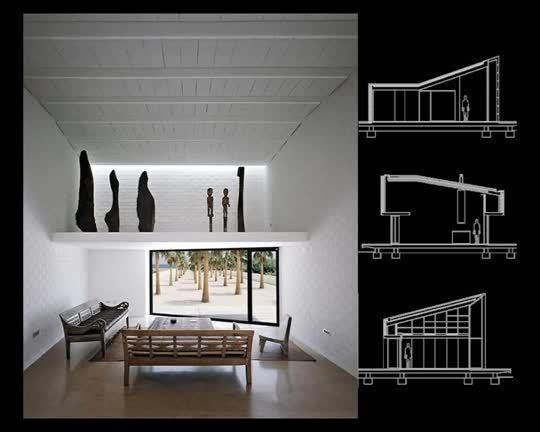
Conferència de Carlos Ferrater, Catedràtic del Departament de Projectes Arquitectònics de l'ETSAB, i Director de Cátedra Blanca Barcelona, per l'assignatura "Projectes III M" curs 2013-2014.
De constructores a Ingenieros de la Marina : un salto tecnológico y profesional de la mano de Francisco Gautier
Accés obert
25 de set. 2013
Presentació del llibre "De constructores a Ingenieros de la Marina : Un salto tecnológico y profesional de la mano de Francisco Gautier" a càrrec del seu autor el Sr. José María Sánchez Carión, amb la presencia del Sr. Luis Fernández-Cotero, degà territorial del COIN i el Sr. Antoni Albadalejo.
Acte de cloenda de la celebració dels 25 anys dels estudis d'Enginyeria Tècnica Topogràfica
Accés obert
25 de set. 2013
Acte acadèmic en motiu de la cloenda de la celebració dels 25 anys dels estudis d'Enginyeria Tècnica Topogràfica a l'EPSEB. En el mateix acte es realitza la inuaguració del nous curs acadèmic 2013-14.
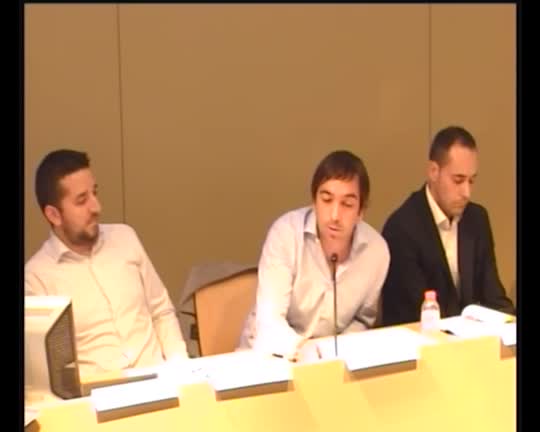
IV Jornadas de contactología para profesionales
Accés obert
25 de set. 2013
Formació continuada d'alt nivell en contactologia a Terrassa.
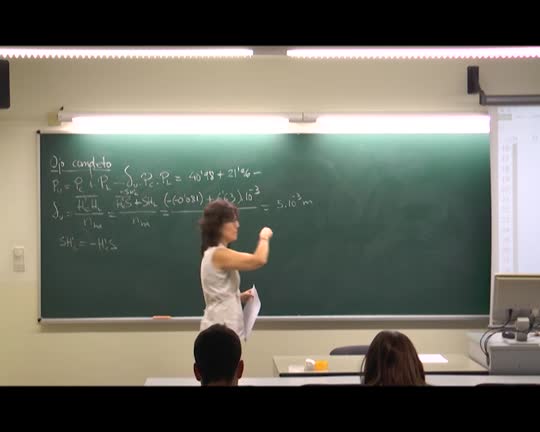
Classe de problemes sobre el tema de l'ull teòric
Accés obert
23 de set. 2013
Plantejament i resolució de problemes a l'aula sobre ull teòric
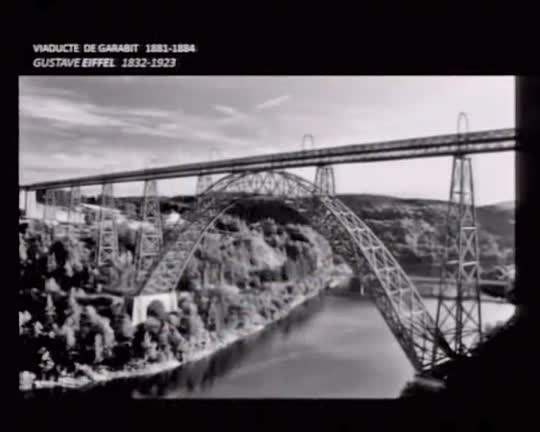
Lliçó inaugural del curs 2013-2014 UPC. Enginyeria i Arquitectura
Accés obert
13 de set. 2013
Lliçó inaugural del curs acadèmic 2013-2014 UPC a càrrec de Carlos Ferrater, Catedràtic del Departament de Projectes Arquitectònics de l'Escola Tècnica Superior d'Arquitectura de Barcelona (ETSAB-UPC). Presentació d'Antonio Giró, Rector UPC.
Acte acadèmic enregistrat per el Servei de Comunicació UPC.
Acte acadèmic enregistrat per el Servei de Comunicació UPC.
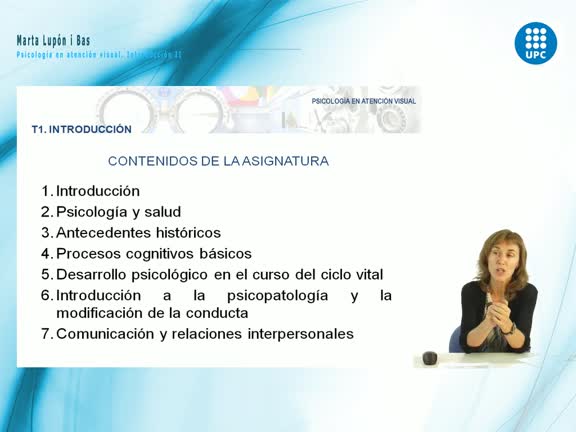
Psicología en atención visual. Introducción II
Accés obert
9 de set. 2013
Presentació de l'assignatura. Segona part
