

Objectes multimèdia amb l’etiqueta: Difusió de la recerca
Resultats de la cerca
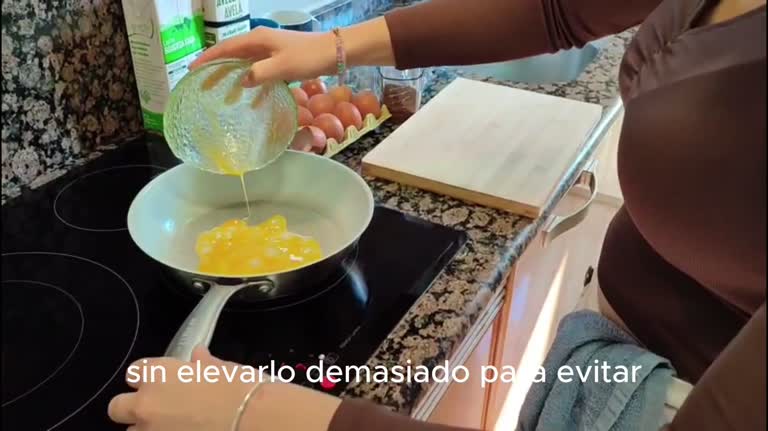
Consejos para la preparación de comidas con baja visión
Accés obert
15 de des. 2025
El video ofrece estrategias prácticas para preparar un desayuno con baja visión, priorizando iluminación adecuada, organización del espacio y uso de contrastes de color y texturas para distinguir utensilios y alimentos. Recomienda ordenar nevera y despensa con etiquetas y contenedores, y disponer de utensilios accesibles. Detalla recetas sencillas (huevos revueltos, manzana troceada, café con leche) con apoyos táctiles y de seguridad: marcadores en vitro y microondas, sartenes contrastadas, tablas con bordes, control del calor por proximidad de la mano y cronómetros/ asistentes de voz. Para líquidos, sugiere tazas contrastadas, indicador de nivel sonoro/vibratorio y técnicas táctiles; también apps como Seeing AI para identificar estados de los alimentos.
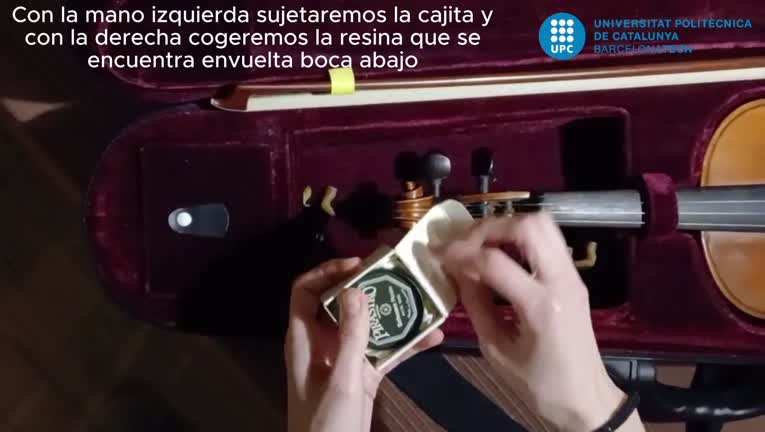
Practicar una habilidad tocar un instrumento
Accés obert
15 de des. 2025
En el video se describe un protocolo para que una persona con baja visión practique el violín de forma segura y autónoma: organización del entorno (instrumento accesible, atril de color llamativo y estable) y uso del tacto para montar el atril, abrir el estuche y preparar el arco. Explica preparación detallada: tensado del arco con referencias táctiles, aplicación de resina, colocación de almohadilla y barbada con pegatinas de alto contraste. Propone afinación por audición o con afinador digital (app), y adaptación de la partitura mediante ampliación e impresión o visualización en tablet, destacando siempre el contraste, la ergonomía y las ayudas táctiles.
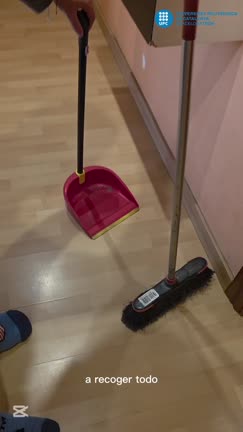
Protocolo de instrucciones a una persona con discapacidad visual para realizar tareas de limpieza del hogar
Accés obert
15 de des. 2025
En este video, ofrecemos un protocolo de limpieza del hogar para personas con discapacidad visual, priorizando seguridad, orden e iluminación uniforme, con etiquetado táctil y alto contraste para puertas, utensilios y productos. Recomienda elegir herramientas ergonómicas y visibles (escobas, recogedores, aspiradoras con luz), y adaptar cubos y guantes con referencias táctiles. Incorpora tecnologías de apoyo como lupas LED, apps de lectura por voz y asistentes/ópticas con IA para localización de objetos. Detalla una estrategia paso a paso para barrer: orientación inicial junto a paredes, movimientos controlados por franjas, detección de suciedad por visión residual, lupa o sonido, recolección en zonas de alto contraste y verificación final antes de guardar materiales.

Protocolo de instrucciones a una persona con discapacidad visual para poner una lavadora
Accés obert
15 de des. 2025
Video en el que se explica como facilitar el poner una lavadora. Es importante la organización del espacio: mantener el cuarto de lavado despejado, colocar siempre los productos en el mismo lugar con etiquetado táctil o braille y asegurar buena iluminación si hay resto visual. Clasificación y preparación: separar ropa blanca y de color, identificar prendas por tacto, usar bolsa de malla para piezas pequeñas, familiarizarse táctilmente con la lavadora y marcar botones/dial con relieves o braille; dosificar detergente con técnica táctil o usar cápsulas. Ejecución y control: distribuir la ropa en el tambor, seleccionar programa y temperatura usando las marcas táctiles, iniciar y confirmar el proceso mediante señales auditivas (inicio, entrada de agua, pitido final) para completar la tarea de forma autónoma

Protocolo de procedimientos de seguridad
Accés obert
15 de des. 2025
Protocolo de seguridad para personas con baja visión o ceguera que detalla estrategias en el hogar y exterior para mantener autonomía y reducir riesgos mediante organización, etiquetado táctil y uso de sentidos compensatorios; incluye procedimientos para cocina, electricidad, desplazamiento en casa, movilidad exterior, gestión de emergencias, mantenimiento preventivo y dispositivos de seguridad recomendados; aporta consejos generales, formación y tecnología de apoyo, enfatizando rutinas estructuradas, adaptación del entorno y verificación periódica.
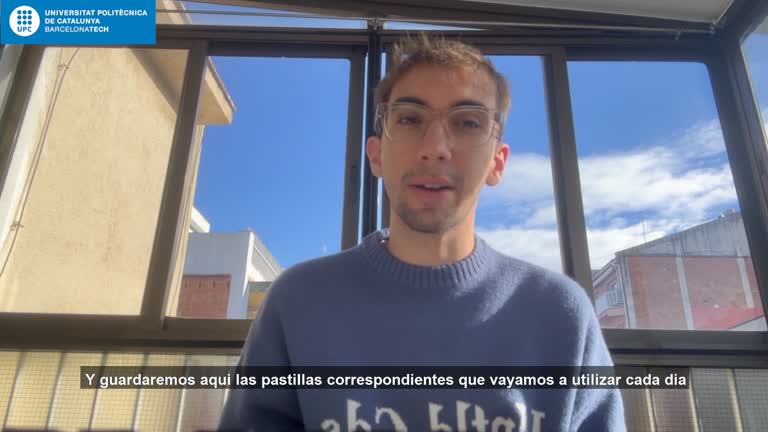
Administración segura y ordenada de medicamentos
Accés obert
15 de des. 2025
En este vídeo, se detalla, un protocolo para la administración segura y ordenada de medicamentos para pacientes con baja visión. Se proponen diversas estrategias, como el uso de gomas de pelo de colores para identificar medicamentos, aplicaciones móviles como Seeing AI para leer etiquetas, y la organización de un pastillero con códigos táctiles para facilitar la toma de medicación. Además, se menciona el uso de dispositivos como el PenFriend para grabar y reproducir mensajes que ayuden a identificar los medicamentos de forma auditiva.
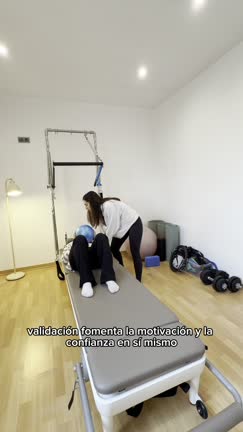
Protocolo de instrucciones adecuado a una persona con discapacidad visual para realizar ejercicio físico en casa en una clase de pilates
Accés obert
15 de des. 2025
En este video, se facilitan instrucciones para adaptar una clase de pilates a personas con baja visión, enfocándose en el acondicionamiento del espacio, el uso de materiales adecuados y la importancia de una comunicación clara y empática por parte del instructor. Se describen estrategias para mejorar la orientación y el movimiento, así como ayudas ópticas y no ópticas para facilitar el ejercicio. Además, se detalla el desarrollo de la clase, asegurando un ambiente seguro y accesible.
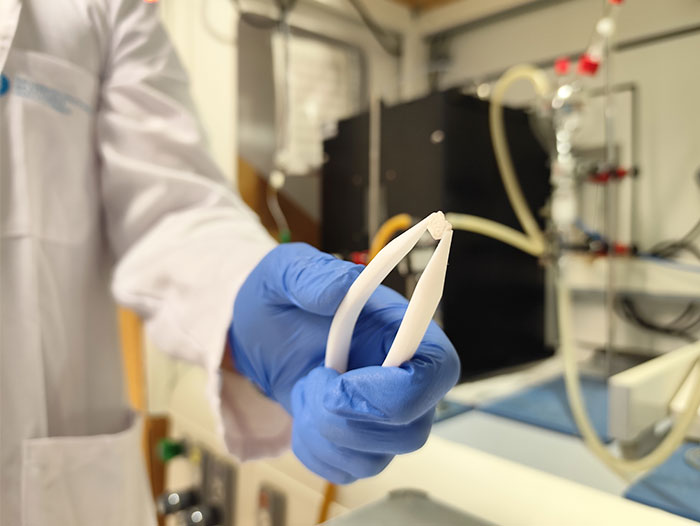
Dissenyen un catalitzador per obtenir productes químics a partir de gasos d’efecte hivernacle
Accés obert
12 de des. 2025
Tres investigadors del grup de recerca d'Innovació en Materials i Enginyeria Molecular - Biomaterials per a Teràpies Regeneratives (IMEM-BRT) de la UPC, en col·laboració amb el doctor Pau Turón, de l'empresa B.Braun Surgical, han creat un catalitzador ceràmic i biocompatible que captura gasos d'efecte hivernacle, com el diòxid de carboni, i els transforma en productes químics, com l'etanol.
Carlos Alemán i Jordi Sans, investigadors de l'IMEM-BRT, expliquen què és un catalitzador i quins són els trets distintius del que han dissenyat, que es podria aplicar, per exemple, a les xemeneies industrials.
Carlos Alemán i Jordi Sans, investigadors de l'IMEM-BRT, expliquen què és un catalitzador i quins són els trets distintius del que han dissenyat, que es podria aplicar, per exemple, a les xemeneies industrials.
Projecte Waste-Based Intelligent Solar-control devices for Envelope Refurbishment (WiSeR) - (Espanyol)
Accés obert
8 d’oct. 2025
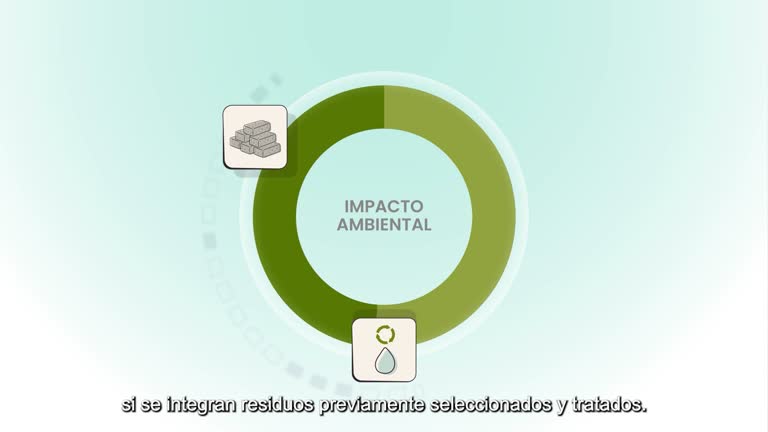
El projecte WiSeR —Waste-based Intelligent Solar-control-devices for Envelope Refurbishment— desenvolupa façanes intel·ligents creades a partir de residus per millorar l’eficiència energètica dels edificis i reduir-ne l’impacte ambiental.
Aquest projecte del Departament de Tecnologia de l'Arquitectura, forma part de la convocatòria “Proyectos de Transición Ecológica y Transición Digital 2021” del Ministeri de Ciència i Innovació, amb el suport dels fons NextGenerationEU.
El sector de la construcció genera prop del 40% de les emissions de carboni i del consum energètic mundial. WiSeR proposa una nova manera de construir i rehabilitar edificis, reutilitzant més del 70% dels residus i aplicant principis d’economia circular i ecosuficiència.
El projecte combina tecnologia, disseny i participació ciutadana per desenvolupar elements de façana multifuncionals que controlen la llum i la temperatura, millorant el confort interior i contribuint a la neutralitat climàtica europea 2050.
Les noves solucions es validaran en edificis escolars, implicant infants i comunitats educatives en tallers i processos participatius per dissenyar els dispositius de control solar del futur.
WiSeR és un pas endavant cap a una arquitectura més intel·ligent, circular i sostenible.
Aquest projecte del Departament de Tecnologia de l'Arquitectura, forma part de la convocatòria “Proyectos de Transición Ecológica y Transición Digital 2021” del Ministeri de Ciència i Innovació, amb el suport dels fons NextGenerationEU.
El sector de la construcció genera prop del 40% de les emissions de carboni i del consum energètic mundial. WiSeR proposa una nova manera de construir i rehabilitar edificis, reutilitzant més del 70% dels residus i aplicant principis d’economia circular i ecosuficiència.
El projecte combina tecnologia, disseny i participació ciutadana per desenvolupar elements de façana multifuncionals que controlen la llum i la temperatura, millorant el confort interior i contribuint a la neutralitat climàtica europea 2050.
Les noves solucions es validaran en edificis escolars, implicant infants i comunitats educatives en tallers i processos participatius per dissenyar els dispositius de control solar del futur.
WiSeR és un pas endavant cap a una arquitectura més intel·ligent, circular i sostenible.
La calç segons els seus intèrprets: Joan Ramon Rosell. Part 2
Accés obert
7 d’oct. 2025
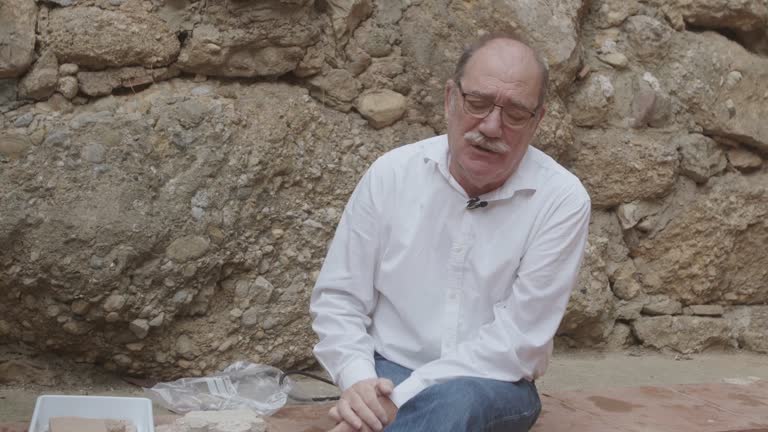
En aquest vídeo, el professor Joan Ramon Rosell, arquitecte tècnic, enginyer i doctor en patrimoni, comparteix la seva experiència i recerca sobre la calç i el seu paper fonamental en la construcció històrica.
Amb més de trenta anys de trajectòria en la diagnosi de materials i la restauració, Rossell ens mostra com la calç ha estat un element clau per a la construcció de la major part del nostre patrimoni arquitectònic.
Presenta exemples concrets, com la muralla medieval del poble, edificada amb un “formigó natural” a base de calç i pedres, que posa de manifest la saviesa constructiva dels mestres antics.
El professor destaca el valor de la calç com a aglomerant ancestral i com a material imprescindible per conservar i restaurar edificis històrics, subratllant la necessitat d’entendre-la no com un vestigi del passat, sinó com un material viu que connecta tradició i futur.
Una reflexió que posa en relleu la responsabilitat de preservar els coneixements tradicionals i aplicar-los a una construcció sostenible i respectuosa amb el medi ambient.
Amb més de trenta anys de trajectòria en la diagnosi de materials i la restauració, Rossell ens mostra com la calç ha estat un element clau per a la construcció de la major part del nostre patrimoni arquitectònic.
Presenta exemples concrets, com la muralla medieval del poble, edificada amb un “formigó natural” a base de calç i pedres, que posa de manifest la saviesa constructiva dels mestres antics.
El professor destaca el valor de la calç com a aglomerant ancestral i com a material imprescindible per conservar i restaurar edificis històrics, subratllant la necessitat d’entendre-la no com un vestigi del passat, sinó com un material viu que connecta tradició i futur.
Una reflexió que posa en relleu la responsabilitat de preservar els coneixements tradicionals i aplicar-los a una construcció sostenible i respectuosa amb el medi ambient.
Projecte Waste-Based Intelligent Solar-control devices for Envelope Refurbishment (WiSeR) - Anglès
Accés obert
7 d’oct. 2025
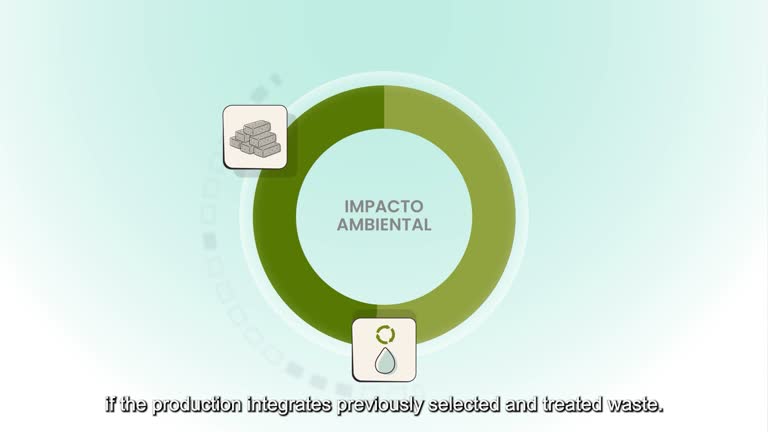
The WiSeR project — Waste-based Intelligent Solar-control-devices for Envelope Refurbishment — develops intelligent façades made from waste materials to improve buildings’ energy efficiency and reduce their environmental impact.
This project is part of the “Proyectos de Transición Ecológica y Transición Digital 2021” call by the Ministry of Science and Innovation, supported by NextGenerationEU funds.
The construction sector accounts for around 40% of global carbon emissions and energy consumption. WiSeR proposes a new way of building and refurbishing structures by reusing more than 70% of waste materials and applying principles of circular economy and eco-efficiency.
The project combines technology, design, and citizen participation to develop multifunctional façade elements that control light and temperature, enhancing indoor comfort and contributing to Europe’s 2050 climate neutrality goals.
The new solutions will be tested in school buildings, engaging children and educational communities through workshops and participatory processes to design the solar-control devices of the future.
WiSeR represents a step forward towards a more intelligent, circular, and sustainable architecture.
This project is part of the “Proyectos de Transición Ecológica y Transición Digital 2021” call by the Ministry of Science and Innovation, supported by NextGenerationEU funds.
The construction sector accounts for around 40% of global carbon emissions and energy consumption. WiSeR proposes a new way of building and refurbishing structures by reusing more than 70% of waste materials and applying principles of circular economy and eco-efficiency.
The project combines technology, design, and citizen participation to develop multifunctional façade elements that control light and temperature, enhancing indoor comfort and contributing to Europe’s 2050 climate neutrality goals.
The new solutions will be tested in school buildings, engaging children and educational communities through workshops and participatory processes to design the solar-control devices of the future.
WiSeR represents a step forward towards a more intelligent, circular, and sustainable architecture.
